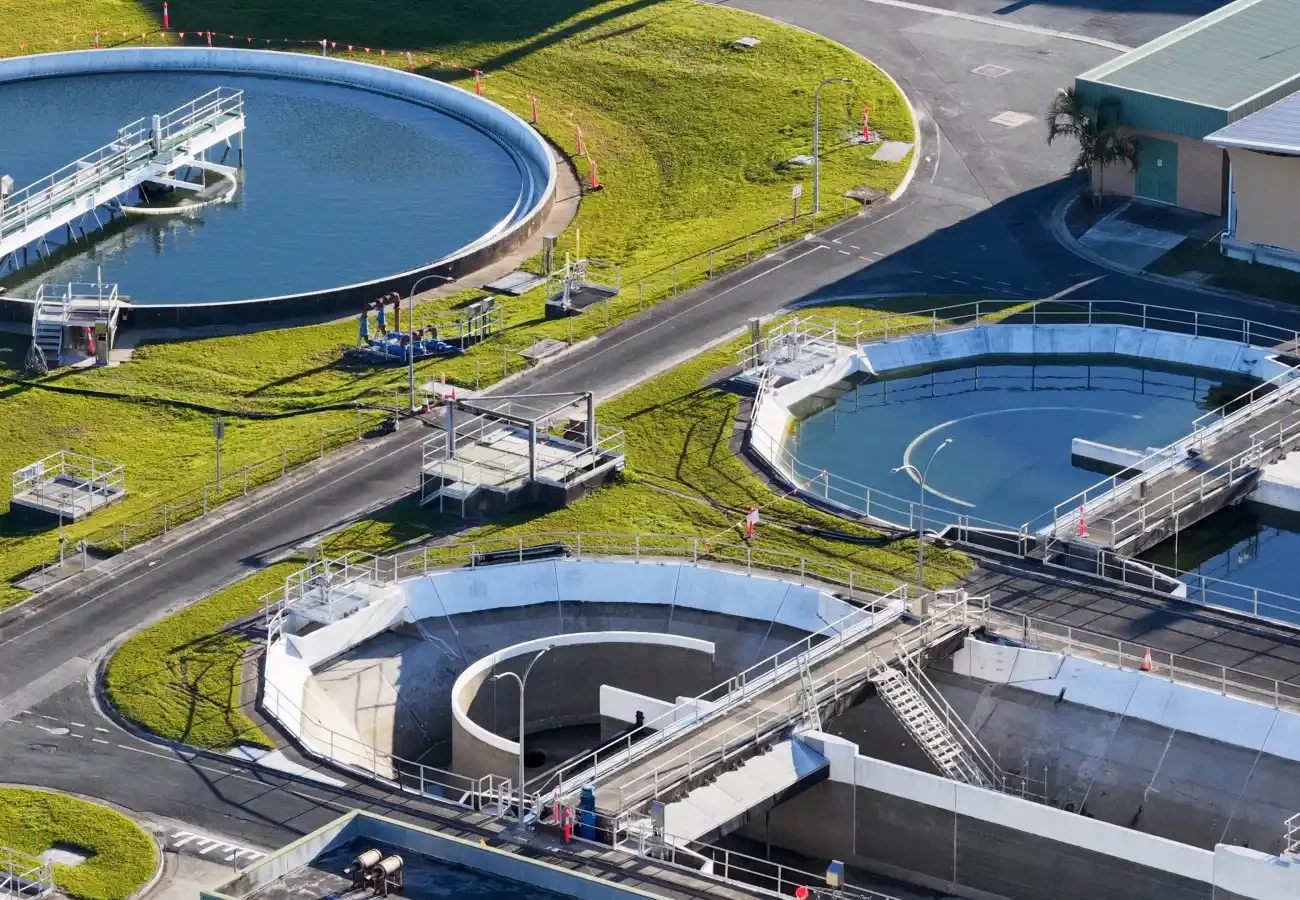

Coagulation and Flocculation System for Backwash Water Recovery at a Tyre Plant
How a 7 m³/h LAMPAC coagulation and flocculation system turned WTP and UF backwash into reusable utility water
Overview
Water conservation is a requirement for heavy industry, not only an environmental goal. At a large tyre manufacturing plant, backwash water from the water treatment plant (WTP) and ultrafiltration (UF) systems was being released instead of reused, which meant high water loss and a growing environmental footprint.
The plant installed a LAMPAC coagulation and flocculation system designed for a capacity of 7 m³/h. The system converted turbid backwash into water the plant could use again, moving the site towards a zero liquid discharge (ZLD) approach.
The Challenge: Backwash Water Going to Waste
Tyre manufacturing uses a lot of water and requires strict treatment standards. The plant faced three connected problems in industrial wastewater treatment:
- Water loss: Many millions of litres of WTP and UF backwash water were released to the environment without being reused.
- Difficult water quality: The backwash carried high levels of suspended solids, turbidity and total dissolved solids (TDS), which made direct recycling impractical.
- Cost and sustainability: Treating process water, including partial treatment, was expensive and difficult to sustain.
The Solution: A LAMPAC Coagulation and Flocculation System
The plant needed a dedicated recovery circuit that could handle a steady flow of 7 m³/h. A purpose-designed LAMPAC system was selected for this role.
How Coagulation and Flocculation Work in Water Treatment
Coagulation and flocculation in water treatment is a two-step process. A coagulant destabilises fine suspended particles, and a flocculant then binds them into larger clusters that settle easily. This is a standard way to remove solids from industrial wastewater, and it was the basis of the LAMPAC design.
Key Features of the System
- Controlled chemical dosing: Specialised coagulant and flocculant are dosed into the backwash stream to destabilise suspended particles. Learn how chemical dosing pumps work.
- Coagulation and flocculation stage: The LAMPAC system quickly gathers small particles into larger ones that settle readily, which lowers turbidity.
- Solid–liquid separation: Dirt particles are removed from the stream by sedimentation, leaving clarified water for recovery.
- Recycling integration: Recovered water is returned to the utility water stream. This reduces freshwater intake and removes the discharge of backwash to the environment.
Results: Backwash Water Recovered for Reuse
The plant now recovers water that was previously discarded. Reusing it in the utility stream cuts freshwater intake and ends the release of backwash to the environment, supporting the plant's ZLD system goals while lowering treatment costs. Read more about water reuse and recycling in India.
Frequently Asked Questions
How can I control the turbidity of water in my production line?
Turbidity in process water comes from fine suspended solids. A coagulation and flocculation tank addresses this by dosing a coagulant and flocculant so particles form larger clumps that settle out. In this case study, that approach brought down turbidity in tyre plant backwash so the water could be reused. See also: lowering turbidity for successful RO.
What is the difference between coagulation and flocculation?
Coagulation destabilises suspended particles. Flocculation then groups them into larger masses for easier settling and separation. Used together, coagulation and flocculation make solid–liquid separation more effective.
Can backwash water from WTP and UF systems be recycled?
Yes. With suitable treatment, the recovered water in this project was returned to the utility water stream, reducing the plant's dependence on fresh water.
Recover Water From Your Backwash Streams
If your facility discharges backwash water, a LAMPAC coagulation and flocculation system can help recover it for reuse, lowering costs and reducing your environmental footprint. Contact Alantech to discuss a water recovery solution for your plant.