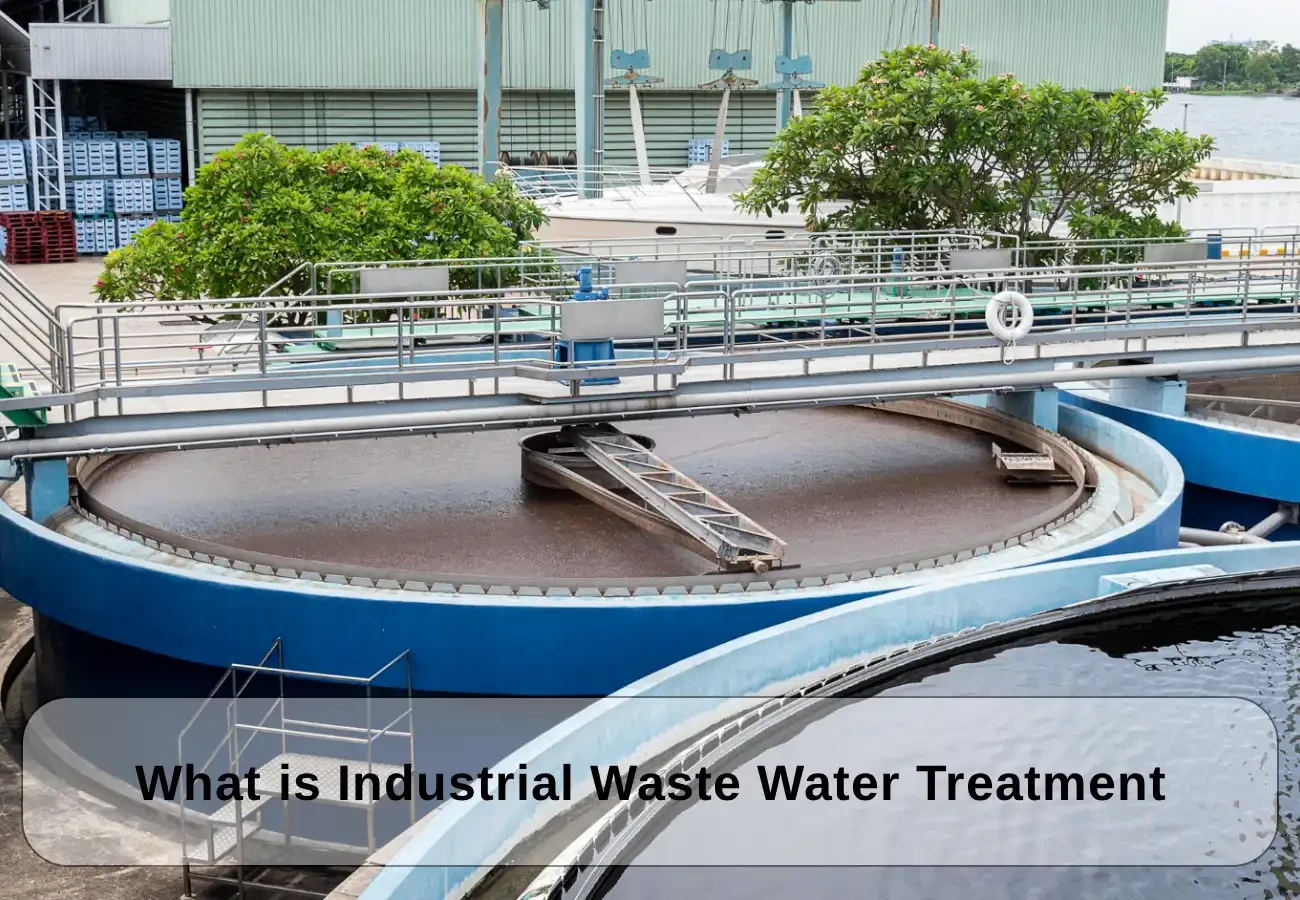

What is Industrial Waste Water Treatment
Industrial waste water treatment is the process of removing contaminants, chemicals and pollutants from water used in manufacturing and industrial operations before it is discharged or reused. It typically involves physical, chemical and biological steps that reduce harmful substances to levels that meet environmental regulations. This protects water bodies, supports regulatory compliance and allows treated water to be reused in some cases.
Key Takeaways
- Industrial waste water treatment removes pollutants generated during manufacturing and industrial processes
- India generates around 13,468 million litres of industrial wastewater daily, and only about 60% of it is treated
- An industrial wastewater treatment plant usually combines physical, chemical and biological treatment stages
- Treated water can often be reused for cooling, cleaning or irrigation, reducing dependence on fresh water sources
- Compliance with discharge standards is a legal requirement for most industries, not an optional practice
Every factory, processing unit or manufacturing plant generates water that has picked up chemicals, oils, heavy metals or organic waste along the way. That water cannot simply be released into a drain or a river, since it would harm aquatic life and contaminate groundwater, and this is where industrial waste water treatment comes in, and it forms a core part of how industries operate responsibly today.
This article explains how the treatment process actually works, the main stages involved, and why getting it right matters for both compliance and the environment.
Why Industrial Waste Water Needs Treatment?
Water used in industrial processes rarely comes out the same way it went in. Depending on the industry, it might carry oils, solvents, heavy metals, dyes, acids or organic matter. Left untreated, this water can damage ecosystems, contaminate drinking water sources and expose communities to health risks.
Beyond the environmental impact, most countries, including India, have regulations that require industries to treat their wastewater before releasing it. In India, the Central Pollution Control Board (CPCB) sets discharge standards that industries are expected to meet, and non-compliance can lead to penalties or plant closures, and this is one reason a reliable wastewater treatment system is not something industries can treat as optional.
The Industrial Wastewater Treatment Process
Wastewater treatment usually happens in stages, with each stage targeting a different type of contaminant. The exact setup depends on what the wastewater contains, but most systems follow a broadly similar structure.
- Preliminary Treatment
This first preliminary stage removes large debris, grit and coarse solids using screens and grit chambers. It protects downstream equipment from damage and blockages.
- Primary Treatment
Here, physical processes such as sedimentation and flotation separate suspended solids and oils from the water. Heavier particles settle at the bottom, while lighter substances like oil and grease rise to the surface for removal.
- Secondary Treatment
This stage uses biological processes, where microorganisms break down organic matter that remains in the water. Activated sludge systems and biological reactors are commonly used here, and this step lowers the organic load in the water by a large margin.
- Tertiary Treatment
Also known as advanced treatment, this stage removes any remaining contaminants, including specific chemicals, nutrients or pathogens, depending on the industry. Methods here can include filtration, disinfection or membrane-based processes.
- Sludge Management
Every treatment stage produces some amount of solid waste, known as sludge. This needs to be collected, treated and disposed of properly, since it can still contain concentrated pollutants.
Also Read: What Is Sludge and How It Is Treated: Process, Methods & Importance
Types of Industrial Wastewater Treatment Systems
Different industries generate different types of wastewater, so the treatment approach varies accordingly.
|
Industry
Type |
Common
Contaminants |
Typical
Treatment Approach |
|
Textile
and dyeing |
Dyes,
salts, chemicals |
Chemical
treatment with filtration |
|
Food
& beverage |
Organic
matter, oils |
Biological
treatment with primary settling |
|
Pharmaceutical |
Chemical
residues, solvents |
Advanced
oxidation with tertiary treatment |
|
Metal
processing |
Heavy
metals |
Chemical
precipitation and filtration |
|
Petrochemical |
Oils,
hydrocarbons |
Oil-water
separation with biological treatment |
This table gives a general idea of common approaches, but the right industrial wastewater treatment process for a specific facility depends on a detailed assessment of what the wastewater actually contains.
How an Industrial Water Treatment Plant is Designed?
Designing a wastewater treatment plant starts with understanding the waste stream, including its volume, composition and how it varies over time. From there, engineers select the combination of treatment stages needed to meet discharge or reuse standards.
Key Factors in Plant Design
- Volume of wastewater generated daily
- Types and concentration of contaminants present
- Local discharge regulations and reuse goals
- Available space and budget for infrastructure
- Long term maintenance and operational costs
A well-designed industrial water treatment system is not a one-size-fits-all solution. It needs to match the specific demands of the facility it serves, and this is where working with an experienced team makes a measurable difference in both performance and cost.
Benefits of Proper Industrial Effluent Treatment
Treating wastewater properly goes beyond simply meeting legal requirements. Facilities that invest in a well-functioning industrial effluent treatment system often see several practical benefits.
- Reduced risk of regulatory penalties or plant shutdowns
- Lower environmental impact on local water bodies
- Potential for water reuse, which can reduce overall water costs
- Improved public perception and stronger environmental credentials
- Fewer operational disruptions caused by equipment damage from untreated waste
When to Upgrade or Install a Treatment System
Industries should consider a new or upgraded system if they notice inconsistent compliance with discharge standards, rising treatment costs, frequent equipment issues, or expansion plans that will increase wastewater volumes. Waiting until a compliance issue arises usually costs more than planning ahead.
At Alantech, we work with industries across different sectors to design and maintain treatment systems suited to their specific waste streams. If you would like to see how this applies to a real setup in the best way, read our blog on how industries can achieve near-zero liquid discharge.
Conclusion
Industrial wastewater treatment is a practical necessity for any facility that generates process water, not an optional add-on. Understanding the stages involved, from preliminary screening to sludge management, helps industries plan systems that are both compliant and efficient over the long term. Getting the design right from the start usually saves on cost and disruption later.
If your facility needs a wastewater treatment system designed around your specific processes, get in touch with Alantech, or visit our website to learn more about how we support industries with treatment solutions.
Frequently Asked Questions (FAQs)
Q1: What is the main purpose of industrial waste water treatment?
A1: The main purpose is to remove harmful contaminants from water used in industrial processes so it can be safely discharged or reused without damaging the environment or violating regulations.
Q2: How long does it take to treat industrial wastewater?
A2: This depends on the volume and type of contaminants involved, but most systems are designed to treat water continuously as it is generated, rather than in large batches, so treatment happens as part of ongoing plant operations.
Q3: Can treated industrial wastewater be reused?
A3: Yes, in many cases treated water can be reused for purposes such as cooling, cleaning or irrigation, depending on the quality achieved after treatment and the specific reuse standards being followed.
Q4: Is industrial wastewater treatment legally required in India?
A4: Yes, industries are required to meet discharge standards set by pollution control boards, and failing to do so can lead to penalties or restrictions on operations.