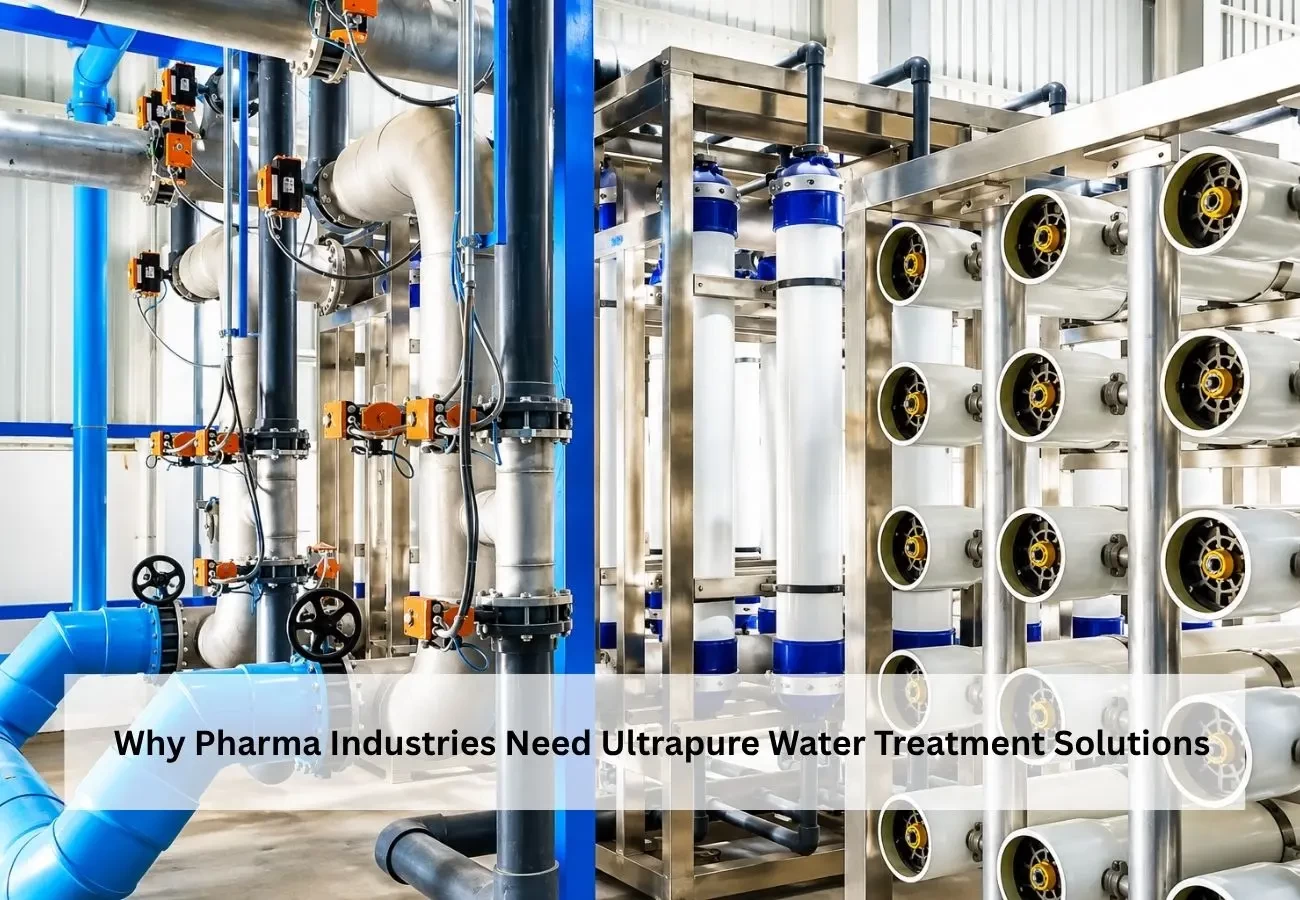

Why Pharma Industries Need Ultrapure Water Treatment Solutions
In the pharma industry, ultrapure water treatment solutions play an important role, as water is the primary ingredient and cleaning agent in drug manufacturing. And any contaminants present in raw water can also alter the chemical composition of medicines, harm patients, or cause bacterial growth within production lines. In order to maintain safety as well as meet legal requirements, facilities in the pharmaceutical industry must remove minerals, microbes, and also organic compounds. As you might know, water is used at almost every stage of pharmaceutical production, and it serves as a solvent, a cleaning agent, and a heat transfer medium. However, water sourced from municipalities or wells usually requires water treatment to the highest standards before it can be used in pharmaceutical manufacturing applications for these tasks. And if these impurities are not removed, they can react with active pharmaceutical ingredients, which can lead to degraded batches of medicine as well. So, it is very important to note that ultrapure water treatment in pharmaceutical industries is needed according to the quality standards required for each specific application.
Pharmacopoeia Standards
The pharmaceutical sector operates under strict guidelines set by various pharmacopoeias, and these define the specific grades of water that we must use for different applications. Each grade has a maximum allowed limit for conductivity, total organic carbon (TOC), and microbial count, and adhering to these standards ensures that medicines or vial of vaccines is safe.
- Water for Injection (WFI)
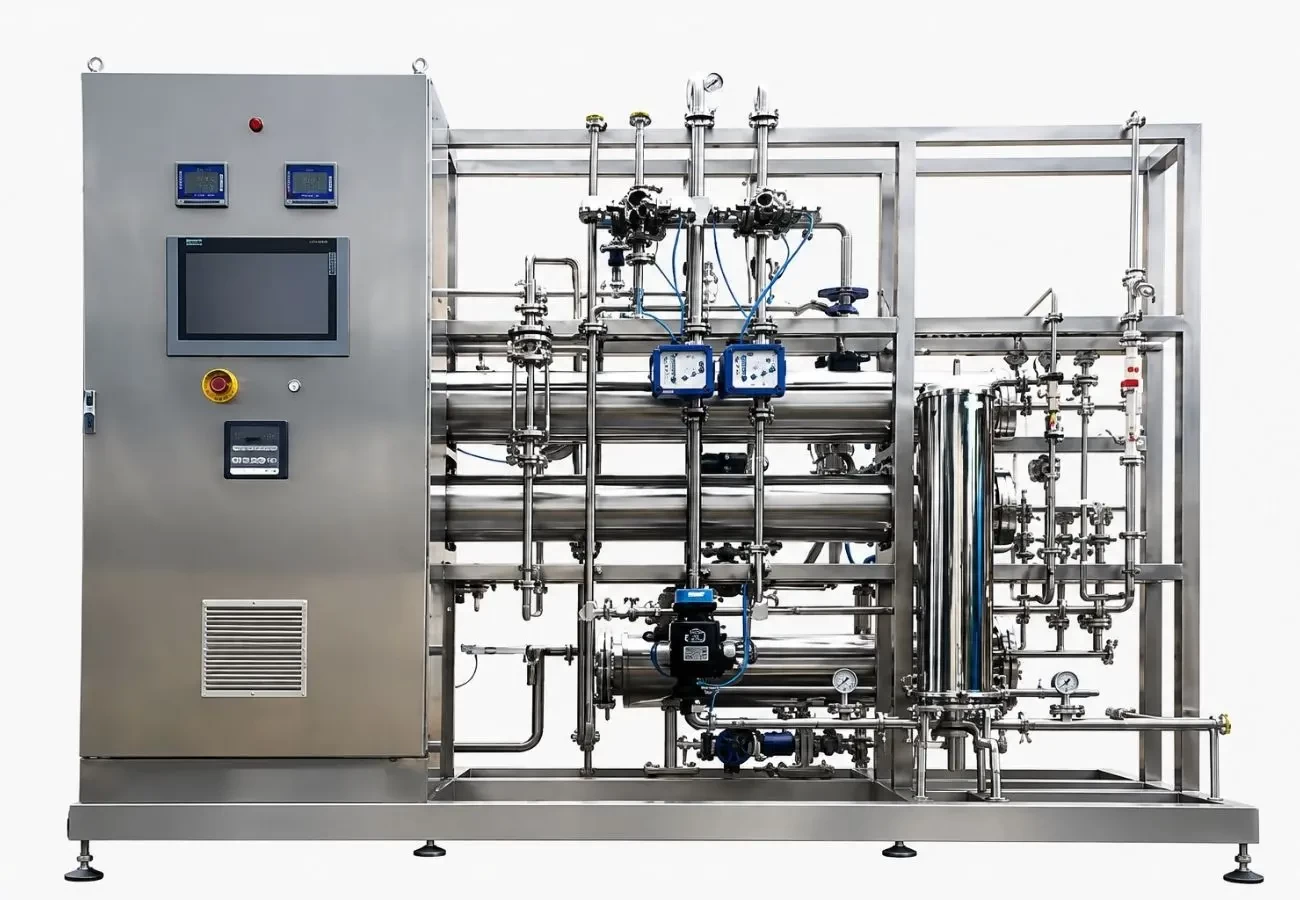
Water for injection is perhaps the most demanding grade of water in a facility. It is used for medicines that are injected directly into the bloodstream or used in sterile preparations. Because the human body bypasses the digestive system's natural barriers when a drug is injected, the water must be free from endotoxins and pyrogens. These are fever-inducing substances that come from the cell walls of bacteria, and we use distillation or advanced membrane filtration to produce WFI, and this that the water is sterile and lacks any biological traces that could cause a systemic reaction in a patient.
- Purified Water (PW)
Purified ultrapure water is used in the production of non-sterile medicines, such as oral liquids, tablets, and topical creams. While the requirements are less strict than WFI, the water must still be thoroughly cleaned of dissolved solids as well as organic matter. We usually use a combination of reverse osmosis, deionisation, and also ultraviolet treatment to reach this standard.
- Inhalation & Irrigation Water
Inhalation water is used for products that are inhaled into the lungs, while irrigation water is used for washing wounds or surgical sites. Both require a high purity level because they come into contact with sensitive internal tissues. Any microbes or chemical irritants in this water could lead to infections or inflammation, and by implementing ultrapure water purification for pharma industry standards, we ensure that these specialised water grades meet the specific biological requirements as well.
Importance of Water Treatment in Pharmaceutical Industries
And the need for high-quality ultrapure water goes beyond just following the law, and it affects the efficiency of the factory, the longevity of the machines, and community health. Using untreated water can lead to a total shutdown of a production line if a contamination event is detected.
- Consistent & Stable Production Environment
Raw water quality changes throughout the year. Heavy rains can increase the amount of silt and organic matter in the supply, while dry seasons might increase the concentration of dissolved minerals. A factory cannot afford these fluctuations because the chemical reactions in drug making require absolute consistency. By installing dedicated pharmaceutical water treatment systems, it is possible to create a very controlled environment where the water quality remains the same every single day. This stability allows chemists to predict exactly how ingredients will react, and also prevents lost batches and wasted resources.
- Patient Safety
The main goal of any pharmaceutical company is to improve human health, and it can be negatively affected if water contains harmful bacteria like Pseudomonas or E. coli. Even dead bacteria can leave behind endotoxins that cause severe fevers, and effective water treatment in pharmaceutical industries for ultrapure water acts as a barrier between these risks and also the consumer. We prioritise people by ensuring that no contaminants reach the final dosage forms, maintaining the trust that patients place in modern medicine.
- Product Quality
Purity levels directly influence the shelf life and effectiveness of a drug. For instance, minerals like calcium or magnesium in hard water can cause certain active ingredients to precipitate or fall out of a solution. This makes the medicine less effective or even dangerous if the dosage becomes uneven. Furthermore, organic impurities can cause changes in the smell, colour, or taste of liquid medicines, which would lead to a product being rejected by quality control. High-quality ultrapure water keeps the product stable from the moment it is bottled until it is used by the patient.
- Equipment Protection
Industrial machines used in pharma are expensive and sensitive. Hard water causes a buildup of limescale inside pipes, boilers, and heat exchangers. This scale acts as an insulator, and makes the machines work harder and consume more energy. Over time, it can cause metal components to corrode or pipes to clog completely, and apart from that, if bacteria are allowed to grow, they form a biofilm, which is a slimy layer that is incredibly hard to remove and can shelter colonies of microbes.
- Wastewater Management
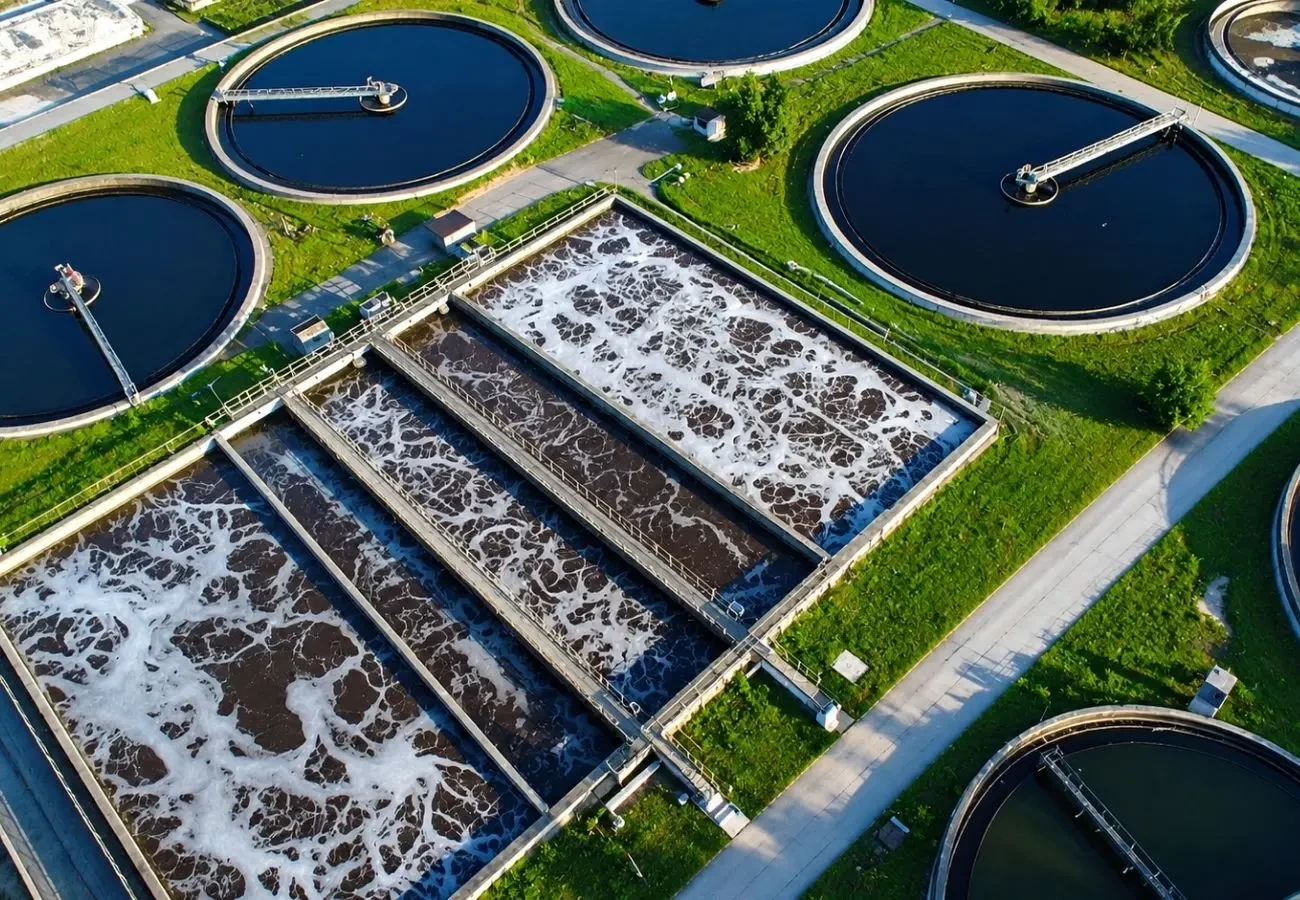
The process of making drugs produces a large amount of liquid waste that contains chemical residues, solvents, and biological matter. It is not ethical or legal to pour this directly into the local sewers or rivers. Effective pharma wastewater treatment is necessary to neutralise these chemicals as well as remove harmful substances before the water is discharged.
- Environmental Responsibility
By using industrial water treatment solutions, we can often recycle a portion of the water for non-critical tasks like cooling or cleaning the facility grounds. By using water treatment solutions, this reduces the total volume of fresh water we need to draw from the environment. Proper treatment also ensures that the water we return to the earth is clean and that future water supplies for the community.
- Regulatory Compliance
Regulatory bodies have the power to shut down facilities that do not meet water quality standards, so it is important to conduct regular audits of water systems. Failing an audit leads to heavy fines, product recalls, and also a damaged reputation. We ensure that our systems are designed to meet or exceed these legal requirements, providing a transparent and documented trail of water quality at every step of the process.
Conclusion
It is important to understand that the pharmaceutical industry relies on properly treated ultrapure water to meet the required quality standards for each stage of production. From the initial stages of cleaning equipment to the final steps of mixing a life-saving vaccine, water quality is a non-negotiable factor. Investing in industrial water treatment solutions, this can ensure the product stability, and also safeguard our expensive machinery. We also recognise the duty we have toward the planet, making sure that our waste is managed through proper pharma wastewater treatment.
At Alantech, we specialise in providing the water treatment solution with advanced technology needed to keep water clean and compliant. Whether you are looking to install a new system or improve your current waste management, we are here to help you get the highest standards of safety and efficiency.
If you want to know more about advanced water treatment solutions, get in touch with Alantech.
Frequently Asked Questions (FAQs)
Q1: Why is ordinary tap water not used in drug manufacturing?
A1: Pharma industries do not use tap water to manufacture drugs, as tap water contains minerals and bacteria that are not allowed in medicines. These substances can interfere with drug chemistry or cause infections in patients, and we use specialised systems to reach better purity levels.
Q2: What happens if a pharmaceutical company ignores water treatment standards?
A2: If a pharmaceutical company ignores water treatment standards, it can lead to several serious problems, including product contamination, legal trouble, etc. If a batch of medicine is found to be impure, the company must recall it, which costs a lot of money and also ruins its reputation.
Q3: How does treated water help in keeping the machines running longer?
A3: When we remove minerals from the water, we prevent the formation of scale, which is like a hard crust that grows inside pipes and also boilers. Without this scale, the machines can heat up as well as cool down more easily, which saves energy. It also prevents rust and also bacterial growth that can eat away at metal surfaces, which means the equipment lasts longer without the need for any expensive repairs or replacements.