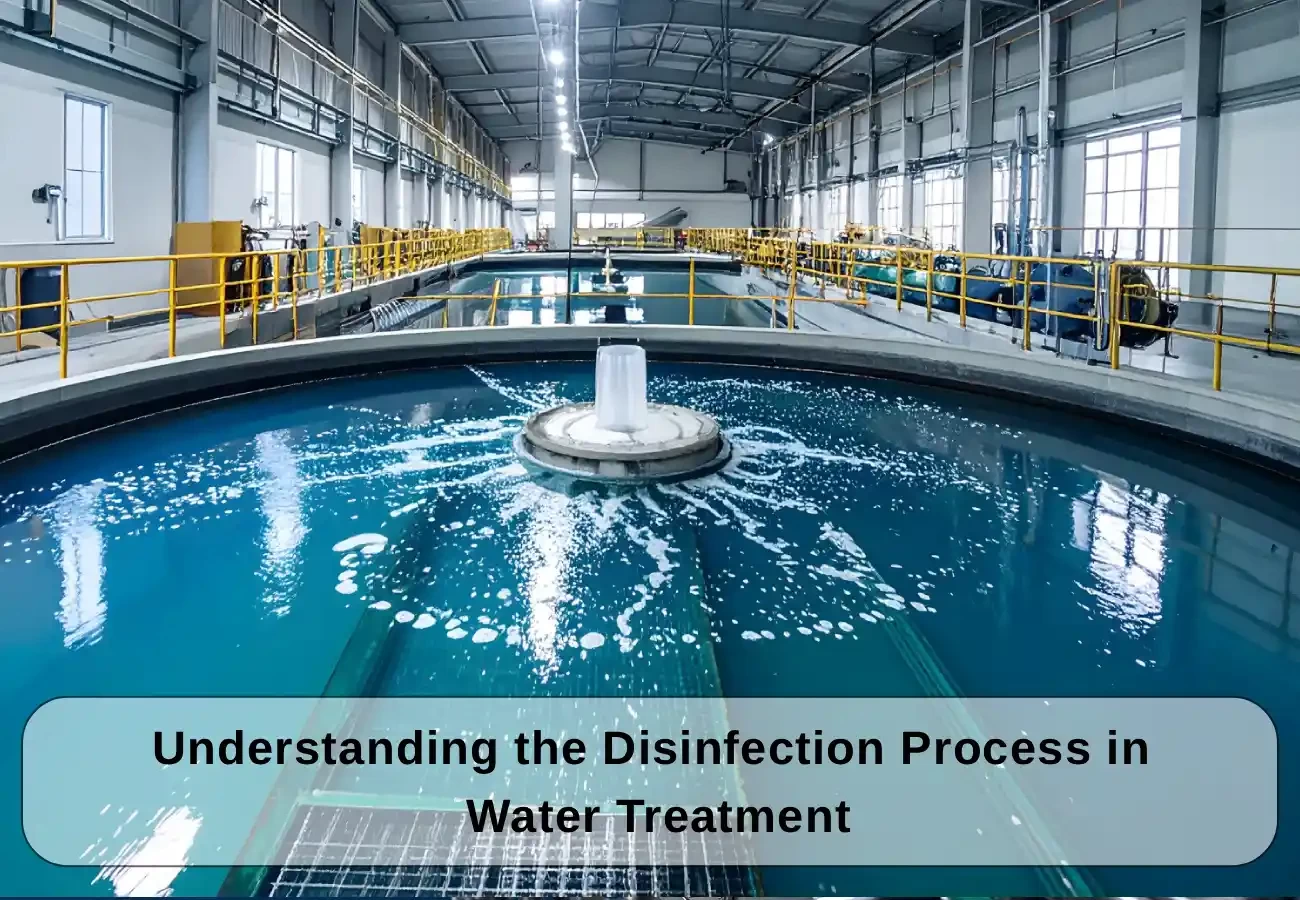
Understanding the Disinfection Process in Water Treatment: A Comprehensive Guide
The disinfection process in water treatment is the step in a water treatment plant that inactivates harmful microorganisms so the water is safe to drink. It follows filtration and uses chlorine, chlorine dioxide, ultraviolet radiation or ozone. A small amount of disinfectant stays in the water afterwards, which keeps it safe as it travels through pipes to your tap.
Key Takeaways
- Water disinfection comes after the water has been cleared of floating particles, because clear water lets the disinfectant work evenly
- The most common water disinfection methods include chlorine, chlorine dioxide, ozone and ultraviolet (UV) treatment, with each offering benefits for different applications
- A measured residual concentration of disinfectant protects water between the plant and the tap
- Reverse osmosis, nanofiltration and thermal distillation handle jobs that disinfection alone cannot, such as salt removal
- Regular testing and regulatory compliance keep the whole system reliable
Most homes receive clean drinking water without much thought about the disinfection process in water treatment that makes it safe to drink. Behind every glass is a series of steps, and water disinfection is the one that deals with germs.
According to the WHO and UNICEF Joint Monitoring Programme, about 2.1 billion people still lacked safely managed drinking water at home in 2024, which shows how much the final safety step matters. At Alantech, we design and supply water treatment solutions for homes, industries and communities, and this blog explains the process.
Where Disinfection Fits in Water Treatment
The Water Cycle and Source Water
Rain falls, runs into rivers, lakes and the ground, evaporates and falls again. This is the water cycle, and every stage of it adds something to the water. Surface water from rivers and reservoirs picks up soil, leaves and microbes. Groundwater carries dissolved minerals. Coastal and inland wells sometimes give brackish water, which is slightly salty. The right treatment depends on which of these a plant starts with.
Steps Before Disinfection
Disinfectants work best on clear water, so a plant prepares it first. The usual order is:
- Prefiltration removes sand, silt, rust and other larger particles, and protects the membranes ahead of it
- Ultrafiltration (UF) removes fine suspended particles, bacteria and some viruses
- Reverse osmosis (RO) removes dissolved salts, metals and other chemical impurities
Each of these steps supports the disinfection process in water treatment that comes next. Water treatment plants measure turbidity level to determine how cloudy the water is. The World Health Organization (WHO) advises a level below 1 NTU for effective disinfection, as set out in its drinking-water guidelines. Particles can shelter microbes from a disinfectant, so clear water gives a more dependable result.
Common Disinfection Methods
Chlorine
Chlorine has been used to disinfect drinking water for over 100 years and remains the most common method. It is affordable, easy to measure and leaves a protective residual concentration in the pipes. The WHO suggests keeping at least 0.2 milligrams per litre of free chlorine at the point of delivery. Chlorine works well on bacteria and many viruses. It needs more contact time for tougher organisms such as certain parasites.
Chlorine Dioxide
Chlorine dioxide is a related chemical with a few useful differences. It works across a wide range of acidity levels and is effective against some organisms that resist plain chlorine. Plants prepare it on site because it cannot be stored for long. Industries, hospitals and food units like it for its steady results.
UV Disinfection
UV disinfection passes water through a chamber where ultraviolet radiation disrupts the genetic material of microbes, so they can no longer multiply. This method uses no added chemicals and leaves the water’s taste unchanged. The lamp needs clear water to do its job, so a good water filter sits ahead of it. UV disinfection leaves no lasting protection in the water, so larger distribution networks often combine it with a small dose of chlorine.
Ozone
Ozone is a strong gas made on site from air or oxygen. It acts quickly and improves taste and odour. It breaks down fast, so it also needs a follow-up disinfectant for long pipe networks.
Main Water Treatment Options
| Method | How It Works | Leaves a Residual? | Best Suited For |
| Chlorine | Chemical dose with contact time | Yes | Municipal supply, large networks |
| Chlorine dioxide | Chemical dose made on site | Yes | Industrial use, difficult source water |
| UV disinfection | Ultraviolet light inside a chamber | No | Homes, small plants, bottled water lines |
| Ozone | Gas dissolved into water | No | Plants wanting taste and odour improvement |
Other Water Purification Steps
Disinfection deals with microbes. Water purification sometimes asks for more, particularly when the source holds dissolved salts or chemical pollutants.
Reverse Osmosis and Nano Filtration
Reverse osmosis pushes water through a very fine membrane that holds back salts, metals and many chemicals. Nano filtration uses a slightly more open membrane, and it softens water and removes certain dissolved substances while keeping some useful minerals. Both are common in homes and industries, and both are usually paired with a disinfection step for a complete result.
Thermal Distillation
Thermal distillation boils water in an evaporation chamber. The water vapour rises, leaving salts and solids behind, and then cools back into liquid water of very high purity. Chemists sometimes call water hydrogen hydroxide, and older texts use the name hydroxic acid, though most people simply say water. Distillation uses a good deal of energy, so modern systems add water heat recycling, which captures heat from the vapour and uses it to warm the incoming supply.
Also Read: Water Reuse & Recycling
Desalination Plants
Desalination plants turn seawater or brackish supplies into potable water. Most use reverse osmosis, and some use thermal distillation, especially where waste heat is available. Disinfection and mineral balancing come at the end, so the water is safe and pleasant to drink.
Checkout: Seawater Reverse Osmosis Systems
Keeping Water Safe After Treatment
Residual Concentration
A residual concentration is the small amount of disinfectant that remains once treatment ends. It guards against any microbes that enter the pipes on the way to the user. Operators test it at several points in the network and adjust the dose as needed. Too little offers less protection, and a higher amount can change the taste, so the aim is a steady, measured level.
Regulatory Compliance
Regulatory compliance gives everyone a shared standard. In India, drinking water quality follows the Bureau of Indian Standards specification IS 10500, which sets limits for microbes, chemicals and appearance. Regular sampling, record keeping and calibrated instruments help a plant stay within these limits. We include testing guidance with every water treatment solutions package we supply, so owners know what to check and how often.
Waste Water Treatment
Wastewater treatment applies the same disinfection process in water treatment on the other side of the cycle. Used water from homes and industries passes through screening, settling and biological treatment, then through disinfection before release or reuse. Treated water supports gardening, cooling towers and flushing systems, which reduces the demand on fresh supplies. Disinfection here uses chlorine, UV or ozone, chosen to suit the plant’s size and the planned use of the water.
Choosing the Right Water Treatment System
Different settings call for different setups. These points help narrow the choice:
- Source of water: surface water, groundwater, brackish water or municipal supply
- Volume needed: a household, an apartment block, a factory or a village
- Water quality tests: turbidity, dissolved salts, hardness and microbial counts
- Running cost and upkeep: lamps, membranes, chemicals and electricity
- Local rules: the standards the supply must meet
Homes and Small Buildings
A sediment water filter, a reverse osmosis unit and a UV chamber, used together, cover most household needs.
Industries and Communities
Larger sites usually combine filtration, membranes and a disinfectant that leaves a residual. Our engineers visit the site, test the source and recommend a layout that fits the budget and the space.
Conclusion
Safe water comes from a sequence of steps, and water disinfection is the one that secures it. Clear water, a suitable disinfectant, a steady residual and regular testing make a dependable system. Membranes and distillation add further options when salt or chemical pollutants are present. Matching each method to the source and the use keeps the system simple to run.
Whether you need a household unit, an industrial plant or a design for treating waste water, we can help you choose and install the right setup. Visit Alantech to learn about our water treatment plants and request a site assessment.
Frequently Asked Questions (FAQs)
Q1: What is water disinfection?
A1: Water disinfection is the treatment step that inactivates harmful microorganisms in water so it becomes safe to drink. It uses chlorine, chlorine dioxide, UV light or ozone, usually after filtration.
Q2: Is UV disinfection enough on its own?
A2: UV disinfection works very well on clear water, and it suits homes and small plants. It leaves no residual in the pipes, so a larger network usually adds a small chlorine dose as well. A filter ahead of the UV chamber helps the light reach every part of the water.
Q3: How do reverse osmosis and disinfection work together?
A3: Reverse osmosis removes dissolved salts and many chemicals through a fine membrane, while disinfection inactivates microbes. Using both gives water that is clean in taste and safe in microbial quality. Most of our household and industrial systems combine the two, along with a pre-filter to protect the membrane and extend its life.