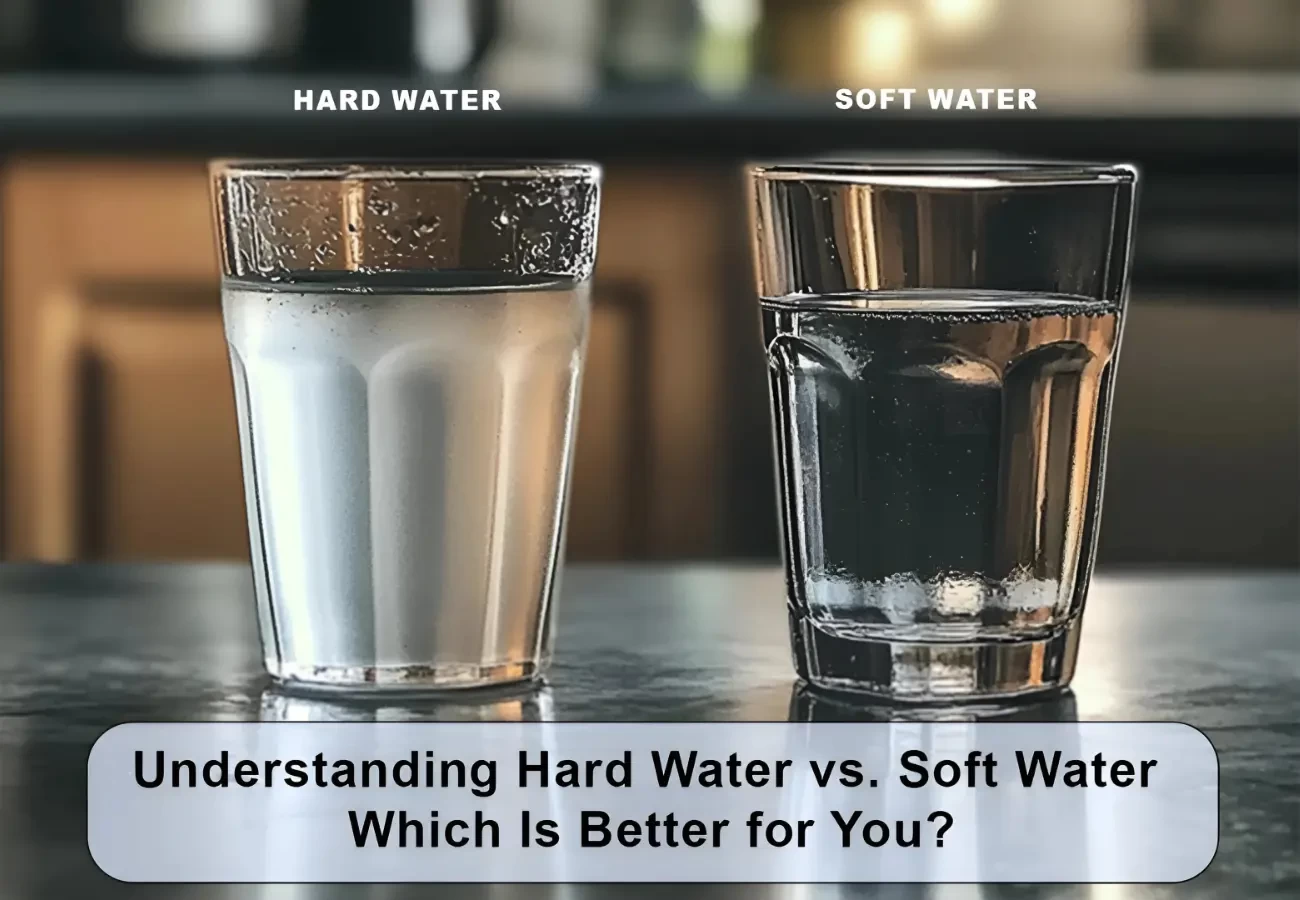

Understanding Hard Water vs. Soft Water: Which Is Better for You?
Water is something we rely on every single day, whether we are drinking it, cooking with it, taking a shower, or even cleaning our homes. Yet, not all water is the same. You may have come across the terms hard water and soft water, especially when dealing with issues like soap scum, limescale on taps, or even dry skin after bathing. But what do these terms really mean, and more importantly, which type of water is better for your health, your home, and your lifestyle?
To answer this, we need to look at the science behind both types of water, their effects on health and household appliances, and how different water treatment solutions like a reverse osmosis plant or an RO plant for home can help manage water quality effectively.
What Is Hard Water?
Hard water has high amounts of dissolved minerals, mainly calcium and magnesium. Water collects these minerals naturally as it moves through soil, sand, and rocks on its way to your tap.
Common signs of hard water:
- White, chalky spots on dishes, faucets, or showerheads (mineral deposits)
- Soap or shampoo that doesn’t lather properly
- Dry, itchy skin and rough hair after bathing
- Buildup in pipes and water heaters, often referred to as limescale
While hard water is safe to drink, it can cause long-term plumbing issues and household inconveniences. In many areas of India and other countries, reverse osmosis plants are commonly used as part of municipal and industrial water treatment plant components to reduce hardness and improve water usability.
Also Read: Advantages and Disadvantages of Reverse Osmosis Systems
What Is Soft Water?
Soft water contains very low levels of calcium and magnesium. It may occur naturally in some regions with less mineral-rich soil, but in most households, it is created using a water softener. A softener works by removing hardness minerals and replacing them with sodium or potassium ions.
Benefits of soft water:
- Leaves skin and hair smoother and softer
- Soap, shampoo, and detergents lather more easily
- Prevents mineral buildup on taps, showerheads, and appliances
- Extends the life of washing machines, dishwashers, and water heaters
However, some people find that soft water, especially when treated with sodium, can taste slightly salty. This is one of the reasons why many households prefer installing an RO plant for home, since it provides safe, fresh, and balanced-tasting drinking water while addressing both hardness and contamination.
Health Implications: Is One Better Than the Other?
When it comes to health, both hard water and soft water have pros and cons.
Hard water:
- Pros: Contains calcium and magnesium, important nutrients for strong bones and overall health.
- Cons: Sometimes make skin and hair feel dry, especially for people with sensitive skin or conditions like eczema.
Soft water:
- Pros: Gentle on skin and hair, makes bathing and cleaning more comfortable.
- Cons: In sodium-based softeners, there is an increase in sodium levels, which can be a concern for people on low-sodium diets.
Neither hard nor soft water poses major health risks when properly treated and regulated. The key lies in using the right water treatment solution, such as reverse osmosis plants for larger systems or a compact RO plant for home for everyday drinking needs.
Impact on Homes and Appliances
The biggest difference between hard water and soft water lies in how they affect your home.
Hard water can:
- Clog pipes with mineral deposits
- Reduce the ability of water heaters (leading to higher energy bills)
- Leave stains and soap scum on sinks, showers, and dishes
- Shorten the lifespan of washing machines, dishwashers, and kettles
Soft water, on the other hand, prevents these issues by protecting plumbing systems and reducing maintenance costs. Many households today are adopting water treatment plant components like filters, membranes, and softeners to make sure their water is safe for both appliances and family use.
For industries and municipalities, installing a reverse osmosis plant is a large-scale solution. For homes, a compact and easy-to-use RO plant keeps water clean, safe, and prevents excess minerals from damaging appliances.
Environmental Considerations
Conventional water softeners, especially salt-based ones, can harm the environment. The salty wastewater (brine) they release can lower soil quality and affect groundwater. In fact, several regions worldwide have started regulating or banning certain types of salt-based softeners.
This is where eco-friendly water treatment solutions come into play. Options like salt-free softeners, ultrafiltration, and reverse osmosis plants provide safer alternatives. An RO system does not just soften water, it removes impurities, making it suitable for both drinking and household use. By using the right water treatment plant components, the environmental footprint can be minimized while still ensuring water quality.
How to Know If You Have Hard or Soft Water?
Wondering whether your home has hard water or soft water? Here are three simple methods:
- DIY Soap Test
- Fill a bottle halfway with tap water and add a few drops of liquid soap.
- Shake well. If very little lather forms, it’s likely hard water.
- Water Hardness Testing Kits
- Easily available online or at hardware stores.
- They give an exact hardness level in ppm (parts per million) or GPG (grains per gallon).
- Local Water Quality Reports
- Many municipalities publish annual water reports.
- These include details about water hardness and other parameters.
If your tests confirm hard water, installing an RO plant for home is one of the most effective water treatment solutions to improve quality and protect your home appliances.
Hard Water or Soft Water: Which Should You Choose?
Choose Hard Water If:
- You prefer natural minerals in your drinking water.
- You want minimal processing in your water supply.
- You are environmentally conscious and prefer avoiding salt-based softeners.
Choose Soft Water If:
- You have skin or hair sensitivity.
- You want to protect home appliances from scale buildup.
- You prefer hassle-free cleaning with better soap and detergent efficiency.
Many people choose a reverse osmosis plant or an RO plant for home because it provides a balance removing excess minerals, reducing harmful contaminants, and giving clean, fresh-tasting water without the drawbacks of untreated hard water or over-softened water.
The Role of Water Treatment Plant Components
Modern water systems are designed with various water treatment plant components, each serving a specific purpose. These include filters, membranes, pumps, and dosing systems that work together to deliver safe water.
For example, in a reverse osmosis plant, the main components include:
- Pre-filters to remove sediment and chlorine
- High-pressure pumps to push water through membranes
- Semi-permeable membranes to filter out hard minerals and contaminants
- Storage tanks for treated water
- Post-filters for final polishing before use
Similarly, an RO plant for home use compact versions of these components, ensuring families can access safe drinking water daily. Households and industries can save money, protect health, and reduce environmental impact by investing in the right water treatment solution.
Conclusion: It’s All About Balance
Understanding the difference between hard and soft water is important to make better choices for your health, home, and the environment. Hard water contains natural minerals. Still it can cause problems for appliances and plumbing. Soft water feels gentle on the skin and protects household systems, though it may add some sodium.
The best choice lies in finding balance through effective water treatment solutions. Whether it’s a large-scale reverse osmosis plant for industries or a compact RO plant for home, these systems combine the right water treatment plant components to deliver safe, efficient, and sustainable water.
At the end of the day, water quality matters just as much as quantity. By testing your water and choosing the right treatment, you can enjoy healthier living, protect your home, and contribute to a cleaner environment.