
Top 5 Industries That Must Adopt ZLD Today
Managing wastewater is now a big problem for many businesses in terms of both operations and the environment. Manufacturers today face a lot of problems, but two of the biggest are high TDS (Total Dissolved Solids) and colour discharge. These problems make it hard to follow the rules and keep their businesses going in a way that is good for the environment. Untreated or partially treated effluents can hurt the environment and put businesses at risk of fines, operational limits, and damage to their reputation.
Modern water treatment plant India solutions are increasingly focused on advanced wastewater recovery technologies that improve sustainability as well as water reuse efficiency. Zero Liquid Discharge (ZLD) systems are the best way to get rid of liquid waste because they make sure that wastewater is treated, recovered, and reused inside the plant. This method helps industries control high TDS levels, get rid of colour contamination, and meet strict environmental rules while also improving water recovery.
Advanced technologies such as reverse osmosis plant systems and ultrafiltration plant processes play a major role in maximising water recovery and also minimising wastewater discharge as well.
Textile Industry

Textile manufacturers are increasingly partnering with experienced RO plant supplier companies to implement advanced ZLD systems that improve water recovery, reduce colour discharge, also lower freshwater consumption, and all while maintaining environmental compliance. Conventional systems have a hard time treating wastewater because it contains dyes, salts, and chemicals. It gets harder and harder to meet discharge rules without ZLD. Textile manufacturers can use ZLD to get water back, get rid of colour, and use less fresh water while still following environmental rules.
The textile industry is one of the main reasons why colour discharge and TDS levels are so high. This is because of the dyeing and finishing processes. Traditional methods have a hard time getting rid of the dyes, salts, and chemicals that are in wastewater. Without ZLD, it is harder to follow discharge rules. By using ZLD, textile producers can effectively remove colour, recover water, and use less freshwater while still adhering to environmental regulations.
Pharmaceutical Industry
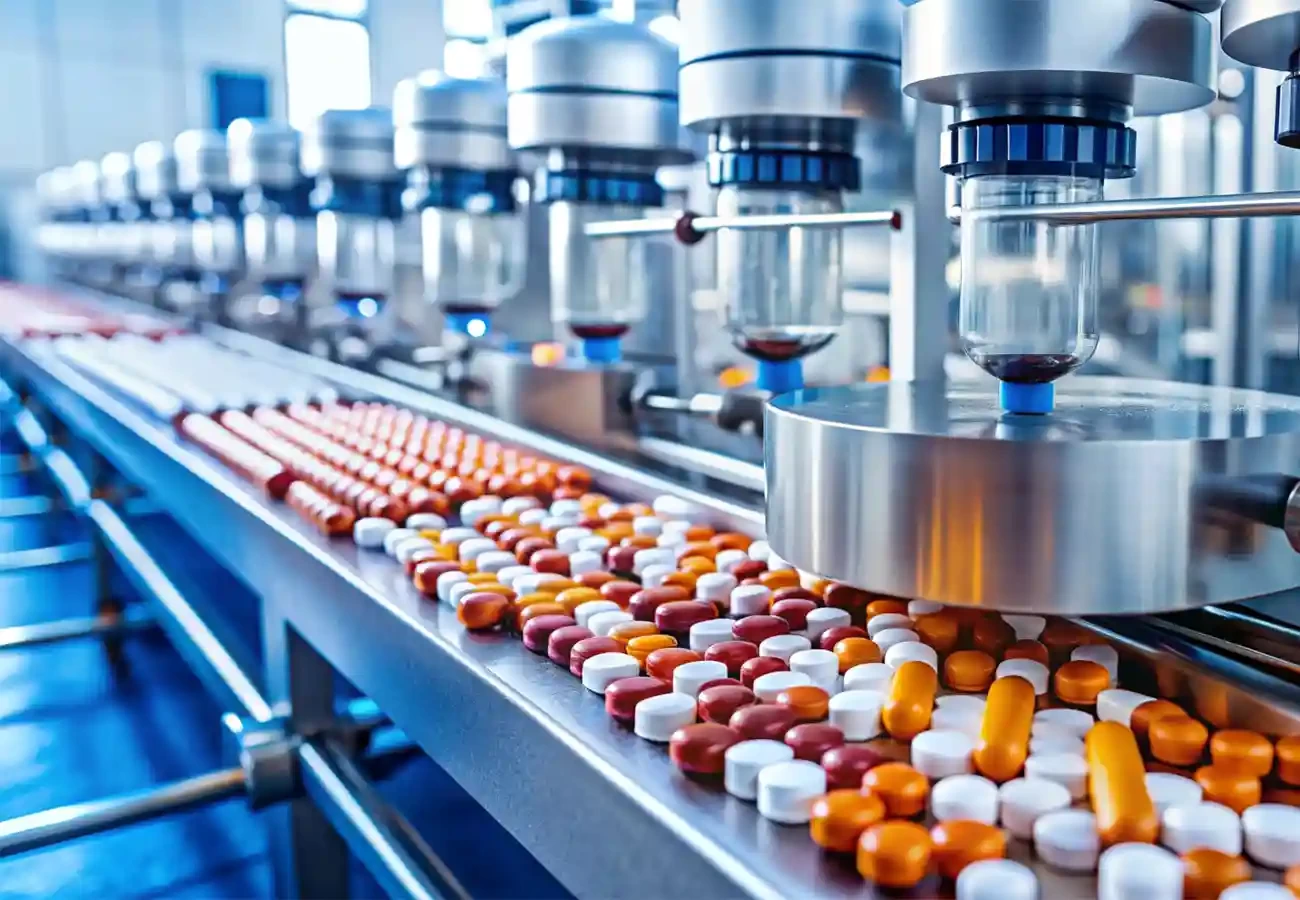
The process of making pharmaceuticals creates complex effluents that contain a lot of TDS, solvents, and organic compounds. These wastewater streams need advanced treatment to keep the environment clean. Modern reverse osmosis plant supplier offer solutions combined with ZLD that help pharmaceutical companies deal with effluents that are hard to treat by recovering reusable water and concentrating waste for safe disposal. This improves sustainability in high-value manufacturing operations while also supporting compliance.
Food Processing Industry
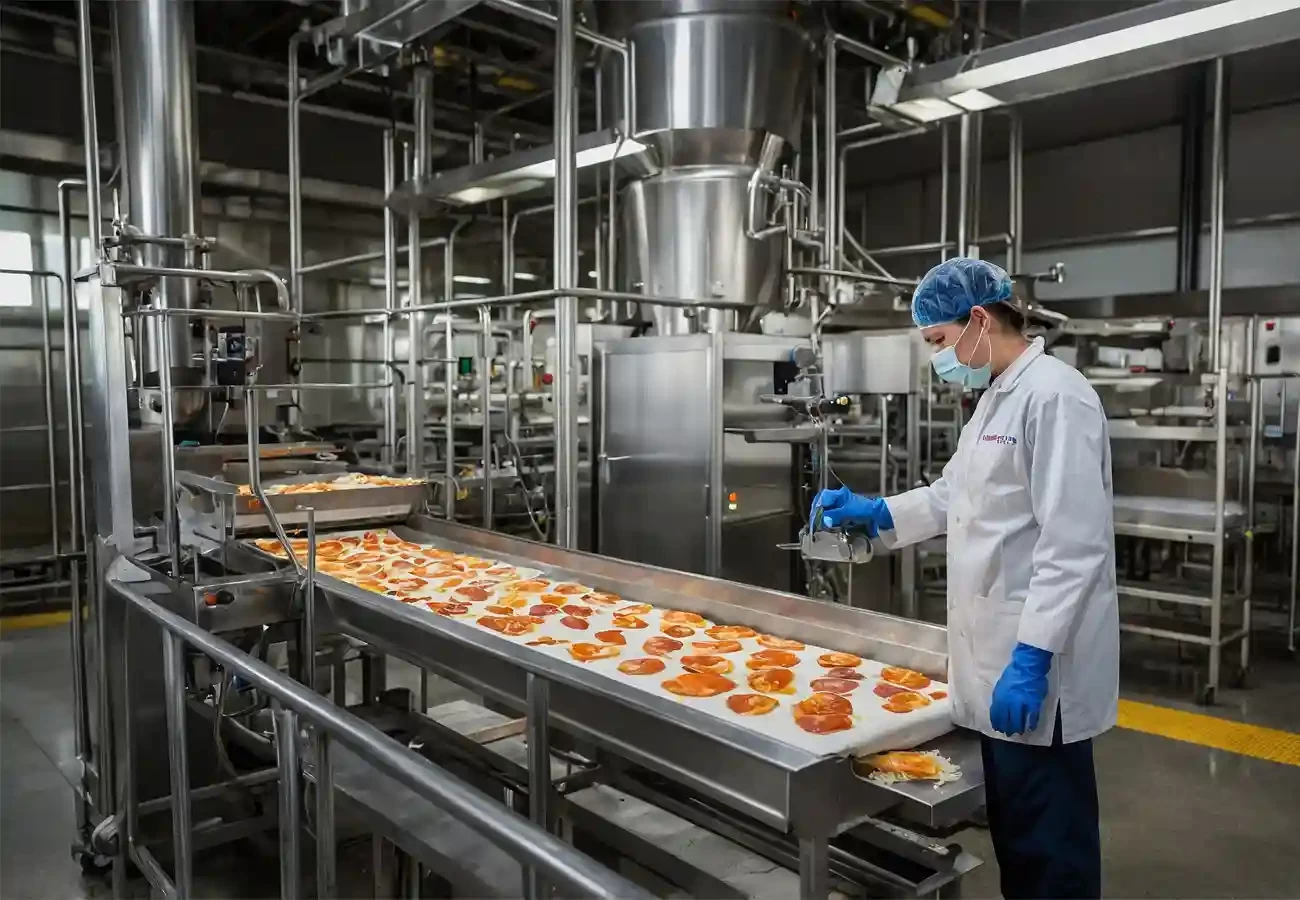
Food processing industries consume large quantities of water during washing, processing, cleaning, as well as packaging operations. Many facilities now use advanced treatment systems and also hygienic equipment such as Inoxpa sanitary pumps to improve fluid handling and wastewater management efficiency.
Chemical Industry
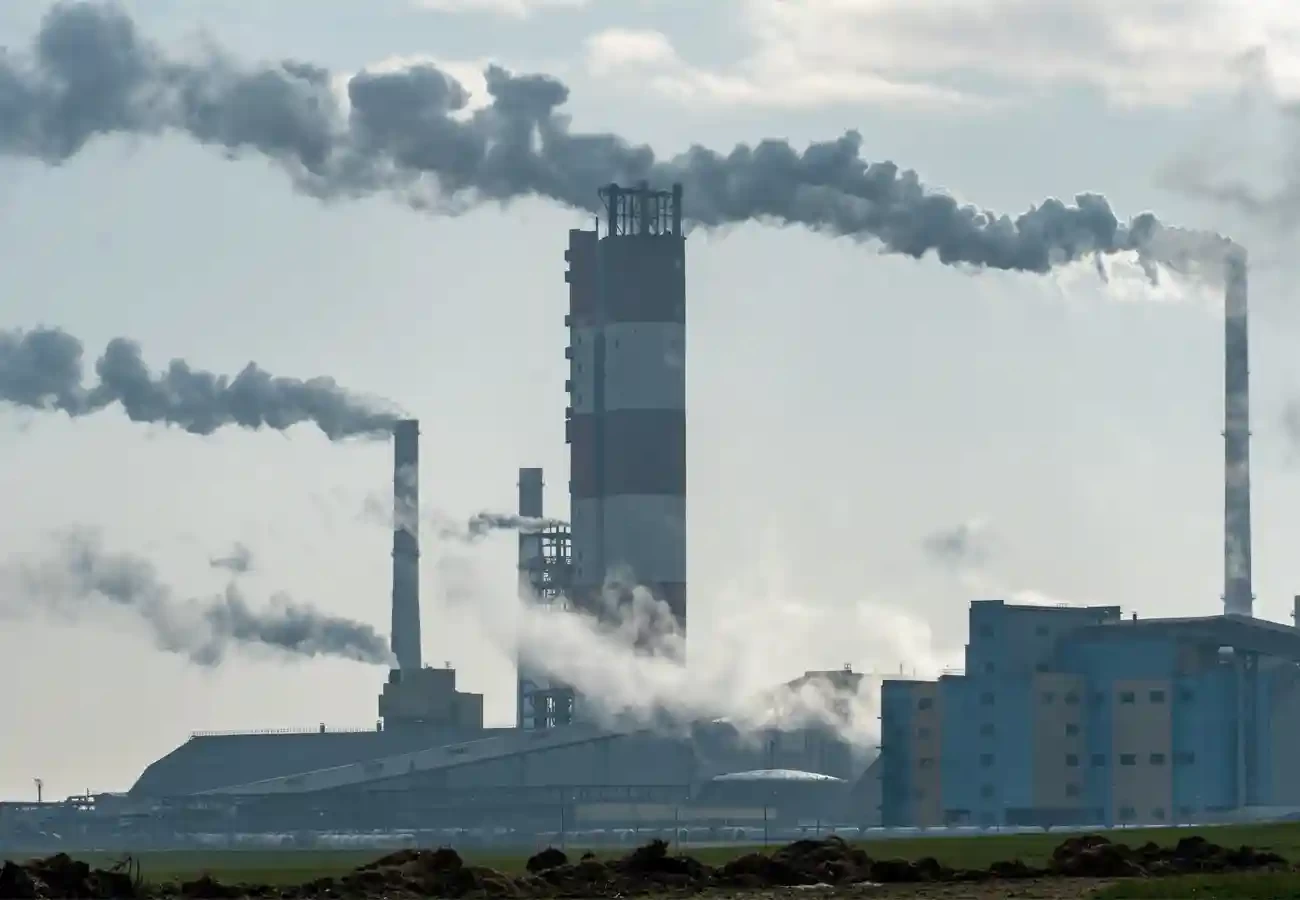
Chemical plants often have to deal with very dirty wastewater that contains salts, colour compounds, and process chemicals. These effluents usually have very high TDS levels, which are hard to deal with using standard treatment methods. Zero Liquid Discharge (ZLD) systems help chemical companies get back valuable water, cut down on their environmental impact, and deal with concentrated waste more effectively. This makes sure that the company follows the rules and helps with sustainable production.
Power Plants
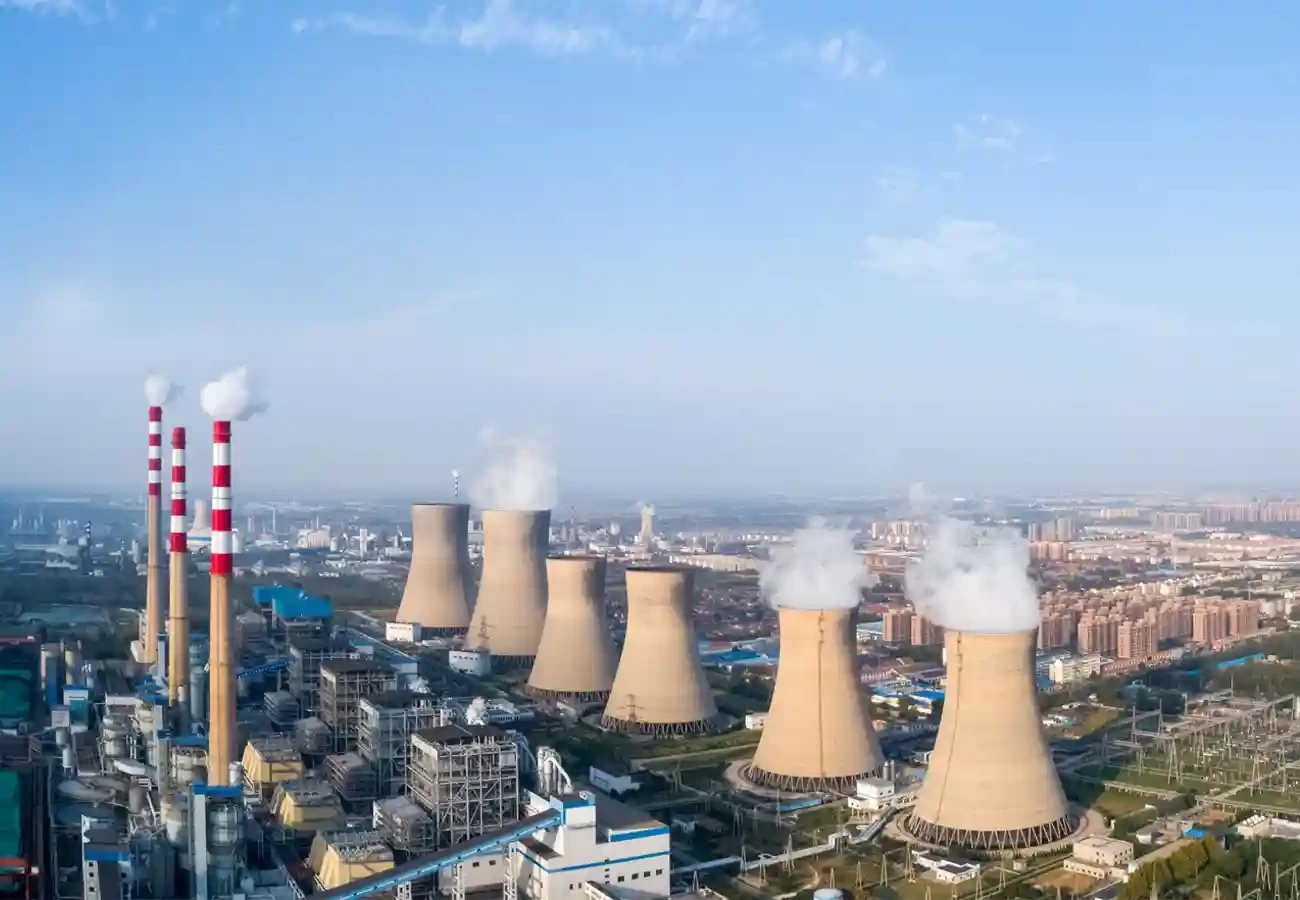
Power plants, especially thermal power plants, make a lot of waste water from cooling towers, boiler blowdown, and flue gas desulfurization. These streams usually have a lot of dissolved solids in them, so they need advanced treatment. Power plants can use less fresh water, reuse water in their operations, and follow environmental discharge rules by using ZLD.
Conclusion
Industries can move toward more sustainable water management by adopting advanced reverse osmosis plant technologies and modern water treatment plant India solutions that improve operational efficiency and also reduce environmental impact.
High TDS and colour discharge are no longer just problems that businesses have to deal with; they are also problems that businesses need to deal with in a proactive way to stay in business and be environmentally friendly. ZLD systems are a dependable answer because they let water be reused, cut down on waste, and make sure that environmental rules are followed.
Now is the time to look into a Zero Liquid Discharge solution if your facility is having trouble with high TDS levels, colour discharge, or following the rules. Get in touch with Alantech today to talk about what you need and find out how our ZLD systems can help you be more environmentally friendly, follow the rules, and get long-term operational benefits.