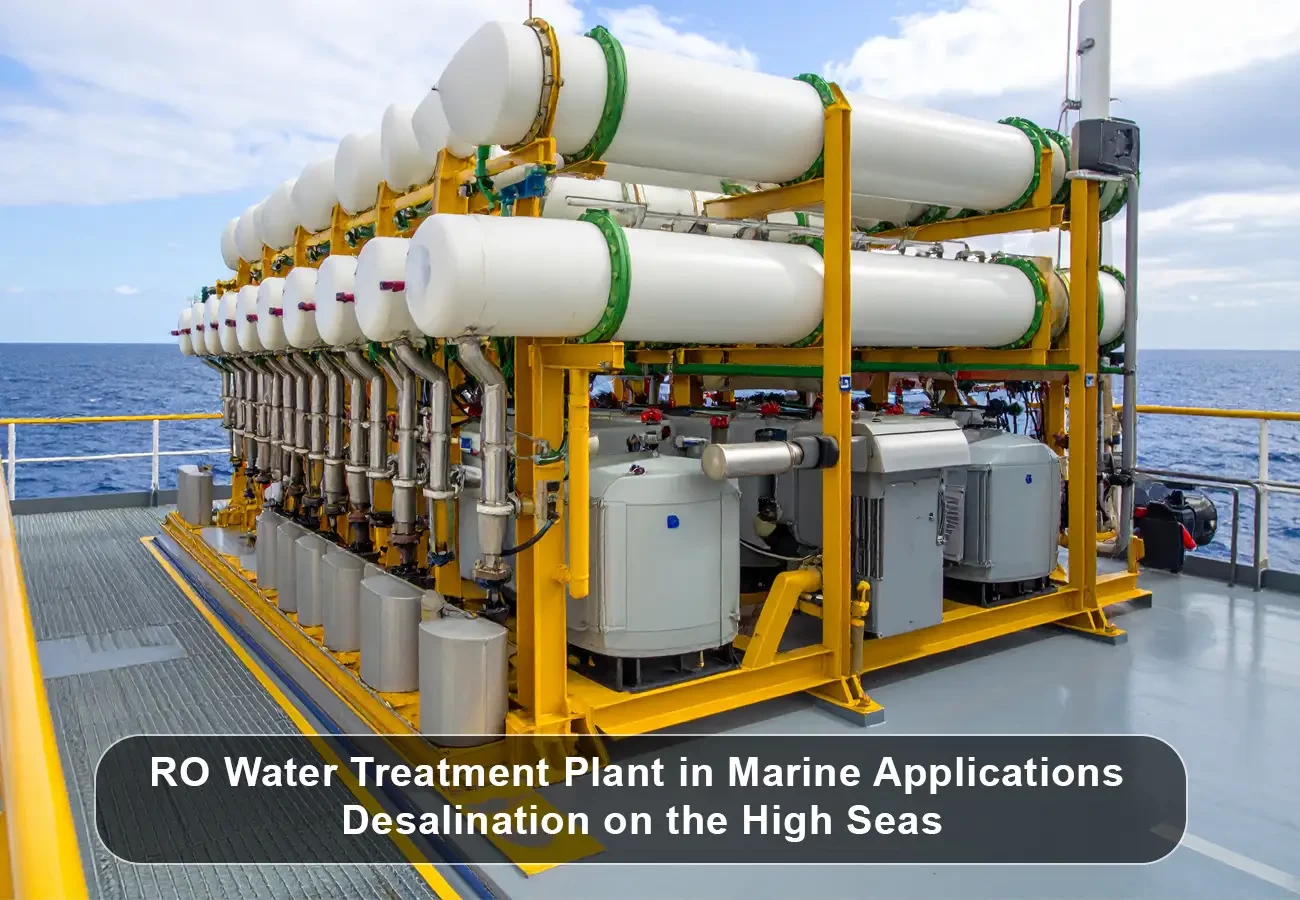

RO Water Treatment Plant in Marine Applications: Desalination on the High Seas
Freshwater is important for life, and on marine vessels, whether ships, yachts, or offshore platforms, access to clean, reliable water can be a serious challenge. And reverse osmosis plant plays a key role in here. These systems meet the daily demands of crew members, passengers, and operations by converting seawater into safe, potable freshwater.
Today, an RO water treatment plant is considered a critical onboard asset. It enables marine vessels to remain self-sufficient during long voyages by turning seawater into potable water, even in the middle of the ocean. These systems are designed to provide a high-purity water system that meets strict international quality standards.
Why a Water Treatment Solution Is Vital at Sea
Unlike on land, where water is sourced from municipal supplies, ships must carry or produce all the fresh water they need. Transporting large quantities of water is both space-consuming and expensive. Depending solely on stored water can become impractical, over time, especially for long-haul journeys.
That’s why integrating a water treatment solution like a reverse osmosis plant has become the norm in modern marine engineering. It reduces logistical challenges, enhances sustainability, and ensures uninterrupted access to clean water.
What Is a Reverse Osmosis Plant?
A reverse osmosis plant functions by applying pressure to seawater and passing it through semi-permeable membranes for purification. It removes up to 99.5% of salts, minerals, bacteria, and impurities. This produces fresh, clean water that is safe for drinking, cooking, bathing, and other important onboard uses.
RO water treatment plant is perfect for fitting into the limited space available on ships and offshore platforms in marine environments, because of its solid design. These systems are usually part of a broader water treatment solution that includes pre-treatment, post-treatment, and brine discharge mechanisms.
Also Read: Advantages and Disadvantages of Reverse Osmosis Systems
How a RO Water Treatment Plant Works in Marine Environments
- Seawater Intake
Specially engineered intake systems draw seawater into the RO water treatment plant, filtering out large particles, marine organisms, and debris.
- Pre-Treatment Stage
To protect the high-purity water system, the seawater passes through multiple filters: sand filters, cartridge filters, and occasionally chemical dosing with anti-scalants or biocides. This prevents membrane fouling and improves system longevity.
- High-Pressure Pumping
Marine-duty pumps pressurize the water (800–1000 psi) to overcome osmotic pressure, enabling it to pass through RO membranes effectively.
- Reverse Osmosis Membranes
These semi-permeable membranes allow only water molecules to pass through, rejecting salts and other contaminants. This step forms the central mechanism of the reverse osmosis plant. It ensures the output is high-purity, potable water.
- Post-Treatment & Disinfection
The permeate (filtered water) may be remineralized to improve taste and health benefits. It also undergoes UV or chlorine disinfection before entering the storage tank.
- Brine Discharge Mechanism
The concentrated saltwater (reject) is safely released back into the ocean through an environmentally safe disposal system.
Types of Marine RO Water Treatment Plant Applications
- Commercial Vessels
Cargo ships, fishing vessels, and oil tankers often rely on a RO water treatment plant to meet the basic water requirements of crew members while reducing the costs of port-supplied water.
- Cruise Liners & Yachts
To meet the expectations and needs of guests, luxury cruise ships and yachts demand a high-purity water system. These systems are combined into HVAC systems, pools, kitchens, and laundry services.
- Offshore Oil & Gas Platforms
Offshore platforms need a dependable water treatment solution for operating in remote and isolated regions. Redundant systems make continuous water generation.
- Naval & Defense Vessels
These vessels need secure and self-sustaining systems. A reverse osmosis plant equipped with shock-resistant components ensures mission-critical operations are not interrupted.
- Remote Coastal Communities
In remote coastal areas where local groundwater is salty or heavily contaminated, high-performance, marine-grade RO water treatment plants provide a consistent and safe source of drinking water for underserved communities.
Advantages of High Purity Water Systems for Marine Use
A high-purity water system onboard provides a multitude of advantages:
- Consistent Fresh Water Supply: Reducing dependency on resupply stops ensures autonomy at sea.
- Space & Cost Efficiency: Frees up storage space and lowers operational costs.
- Safe Drinking Water: RO membranes bring water free of harmful microbes and salts.
- Energy-Efficient Design: New models of reverse osmosis plants are built to reduce energy consumption.
- Customizable Configurations: From private yachts to military vessels, scalable systems suit everything.
Challenges and Maintenance in RO Water Treatment Plants
Like any engineering system, RO water treatment plants come with operational challenges too:
- Membrane Fouling: Requires regular cleaning to maintain optimal performance.
- Pre-treatment Necessity: Poor filtration can severely affect the lifespan of membranes.
- Energy Needs: Although efficient, these systems require a stable onboard power supply.
- Brine Disposal Compliance: To prevent ocean pollution, must meet environmental regulations.
A trusted water treatment solution partner can resolve these issues through thoughtful system design, automation, and consistent upkeep
Conclusion: Investing in the Right Water Treatment Solution
Whether you're managing a fishing trawler, a luxury cruise ship, or an offshore drilling platform, investing in a reverse osmosis plant is no longer optional; it’s important. These systems provide consistent, high-quality water, support environmental sustainability, and improve operational independence at sea.
By combining a trustworthy RO water treatment plant, marine operators ensure the safety and comfort of everyone onboard. It’s now possible to meet the world’s toughest water challenges with the help of a comprehensive water treatment solution, even in the middle of the ocean, with confidence.
A high-purity water system onboard is not just a luxury; it's a necessity for sustainable marine living.