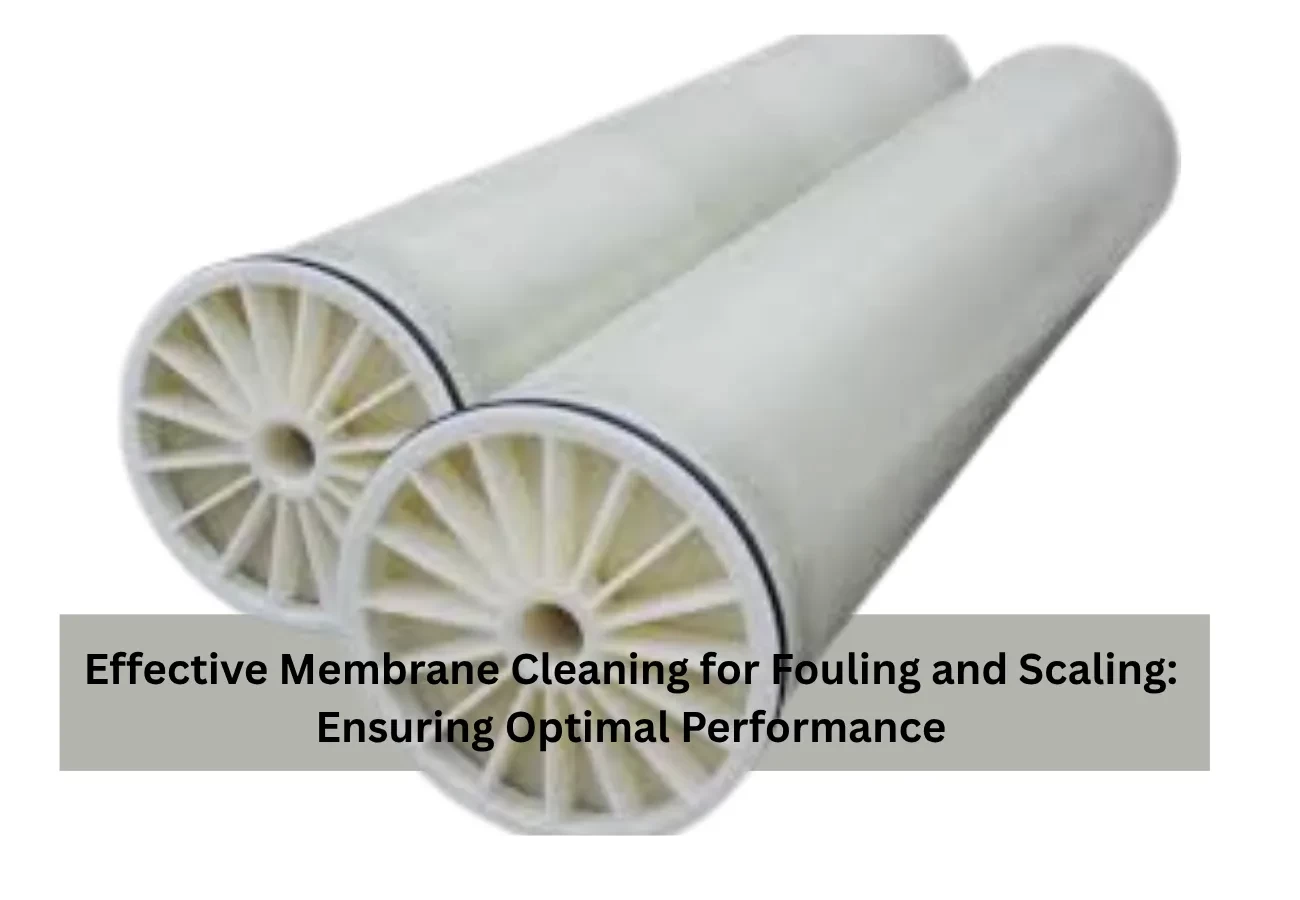

Effective Membrane Cleaning for Fouling and Scaling: Ensuring Optimal Performance
Membrane cleaning removes fouling (organic buildup, bacteria, colloidal particles) and scaling (inorganic mineral deposits) from RO membranes and other membrane elements using physical methods like backflushing, chemical methods like acid or alkaline cleaning, and pre-treatment to reduce fouling before it starts. Regular monitoring paired with the right membrane cleaning chemicals keeps permeate flow, energy costs, and membrane lifespan at optimal levels.
This blog details the causes of fouling and scaling, cleaning methods for RO membranes and other membrane elements, and some best practices to keep membrane cleaning working efficiently for years.
Understanding Fouling and Scaling
Before getting any further into what a cleaning tank is actually about, understanding what fouling and scaling constitute is important.
Fouling: Fouling is the formation of organic material, bacteria, algae, colloidal particles and other suspended contaminants on the membrane surface. This accumulation might create a very dense layer which can completely cover the pores, thereby blocking water flow and affecting efficiency. The usage of the appropriate membrane cleaning chemical is important to effectively remove foulants.
Scaling: Scaling is the deposition of inorganic salts (such as calcium carbonate, silica, and magnesium salts) onto the membrane element surface. Scaling occurs when the feed water concentration contains more ions above their solubility limits and causes these to precipitate and bond with the membrane. This is a particularly common challenge in RO membrane cleaning, since reverse osmosis systems concentrate dissolved salts as water is pushed through the membrane.
Both fouling and scaling contribute to an increased pressure drop, reduced flow rate in the permeate stream, and, generally, decreased overall performance of the membrane system.
Signs That Membrane Cleaning Is Required
It is also important to monitor your membrane system regularly to determine the need for cleaning. Key indicia that fouling or scaling may be affecting performance include:
- Increased pressure drop: A drastic increase in feed pressure, differential pressure, or transmembrane pressure indicates a reduction in membrane permeability.
- Lower permeate flow: Fouling or scaling is indicated when the conditions of operation have not changed and permeate flow decreased.
- Increased energy consumption: Greater energy consumption could indicate membrane fouling as the pumps would have to work harder to overcome the increased pressure drop.
Recognising these signs early makes membrane cleaning far more effective, since fouling and scaling only get harder to remove the longer they are left on the membrane surface.
Types of Membrane Cleaning
The cleaning process depends on the type and extent of fouling or scaling, as well as the membrane element. The most common methods of membrane cleaning include:
Physical Cleaning
The physical cleaning technique is a nonchemical method for removing loose particulate matter. When it comes to water treatment, the most commonly used physical methods in cleaning tanks are given below:
Backflushing: The flow direction is reversed, forcing the removal of foulant material from the membrane surface.
Air Scouring: Adding air to the system to help break up foulants and scour them off from the membrane surface.
These two methods are typically less effective on stubborn or compact fouling layers, such as scaling or biofouling.
Chemical Cleaning
Chemical cleaning is probably the most successful method in controlling fouling and scaling. Membrane cleaning chemicals vary in their selection depending on the type of fouling prevailing. Some common chemical cleaning methods are:
| Cleaning Type | Targets | Common Agents | Best Used For |
| Acid Cleaning | Mineral scale (calcium, magnesium, silica) | Hydrochloric acid, citric acid | RO membranes with inorganic scaling |
| Alkaline Cleaning | Organic fouling (proteins, oils, biofilm) | Sodium hydroxide, sodium carbonate | Membranes with biological or organic buildup |
| Enzyme Cleaning | Biofouling from microorganisms | Protease, polysaccharide-targeting enzymes | Membranes affected by microbial biofilms |
| Chelating Agents | Metal ion fouling (iron, heavy metals) | EDTA | Membranes with metal-based fouling |
Acid Cleaning: Hydrochloric acid and similar strong acids have been used in removing scales with calcium, magnesium, and silica. Acid cleaning dissolves deposits of minerals which help in readjusting flow through membranes.
Alkaline Cleaning: Organic fouling caused by proteins, oils, and biofilm due to bacteria or algae is broken down using alkaline detergents or solutions. Sodium hydroxide or sodium carbonate is usually used.
Enzyme Cleaning: Biofouling or organic materials like proteins and polysaccharides that create biofilms on membrane elements can be cleaned using enzymes. Enzyme cleaning is most effective in removing fouling by microorganisms.
Chelating Agents: EDTA (ethylenediaminetetraacetic acid) and similar chemicals remove metal ions, especially from iron and other heavy metals, which contribute to fouling.
These chemical methods form the core of most RO membrane cleaning programmes, as reverse osmosis systems are particularly prone to both organic fouling and inorganic scaling.
Cross-Flow Cleaning
This involves forcing water through the membrane modules at a high flow rate. Fouling is prevented by maintaining turbulence and preventing contaminants from adhering to the surface of the membrane. Chemical cleaning is often complemented with cross-flow cleaning to achieve optimal results.
Best Practices for Membrane Cleaning
Best practice in cleaning ensures membranes are in good condition and operationally efficient. Some of the recommendations are as follows:
Regular Monitoring
The system performance must be constantly monitored to find the earliest sign of fouling and scaling. It’s about observing pressure drops, flow rate fluctuations, and alterations in temperature.
- Pre-Treatment of Feed Water
Proper pre-treatment of feed water can decrease the risk of fouling and scaling. This is because, if suspended solids, organic materials, and excessive salts are removed from the feed water before entering the membrane, the load of the membrane is reduced, which in turn elongates its life. Effective pre-treatment is often the single biggest factor in reducing how frequently membrane cleaning is needed.
- Proper Chemical Selection
The correct selection of chemicals is essential. Different types of fouling require different types of membrane cleaning chemicals, and cleaning solutions. The wrong formulation will damage the membrane. Always make sure to look at the recommendations from the manufacturers on cleaning chemicals that are safe and effective for your specific membrane material.
- Optimal Cleaning Frequency
Cleaning should be carried out based on performance indicators and not by a calendrical schedule. Any over-cleaning may break down the membranes, while under-cleaning can cause irreparable damage. Setting up cleaning frequency against the trends of the system’s fouling performance is advisable.
- Rinsing After Cleaning
Following chemical cleaning, there is a need for proper rinsing. Residual cleaning agents could further foul the membranes or degrade them.
- Consider Ultrafiltration or Reverse Osmosis Pre-treatment
For water treatment systems that may be subject to fouling, ultrafiltration or reverse osmosis pre-treatment can remove much of the fouling potential that reaches the membranes, thus reducing the likelihood of fouling and extending the membrane life.
Conclusion
Effective membrane cleaning, in essence, is an aspect of ensuring continued performance in the filtration system that depends on good knowledge of how fouling and scaling are produced. Using effective cleaning techniques together with adherence to best practices helps ensure efficiency, long-lasting durability and cost-effectiveness.
Regular monitoring, proper pre-treatment, and the use of appropriate membrane cleaning chemicals and cleaning solutions can avoid any serious fouling and scaling issues. Timely intervention is necessary for keeping membranes clean to ensure the continued operation of high-quality output from your filtration system and avoid all sorts of downtime that would be unnecessary.
Frequently Asked Questions (FAQs)
Q1: How often should RO membrane cleaning be carried out?
A1: There is no fixed schedule. Cleaning frequency should be based on performance indicators such as pressure drop, permeate flow, and energy consumption, rather than a fixed calendar interval. Monitoring these trends helps determine the right timing for your specific system.
Q2: Can physical cleaning alone prevent fouling and scaling?
A2: Physical cleaning methods like backflushing and air scouring help remove loose particles, but they're generally not enough on their own for stubborn fouling or scaling. Chemical cleaning, often combined with cross-flow cleaning, is usually needed for thorough removal.
Q3: Why is pre-treatment important for membrane cleaning?
A3: Pre-treatment reduces the amount of suspended solids, organic material, and excess salts reaching the membrane in the first place. This lowers the load on the membrane, extends its lifespan, and reduces how often membrane cleaning chemicals and cleaning cycles are needed.