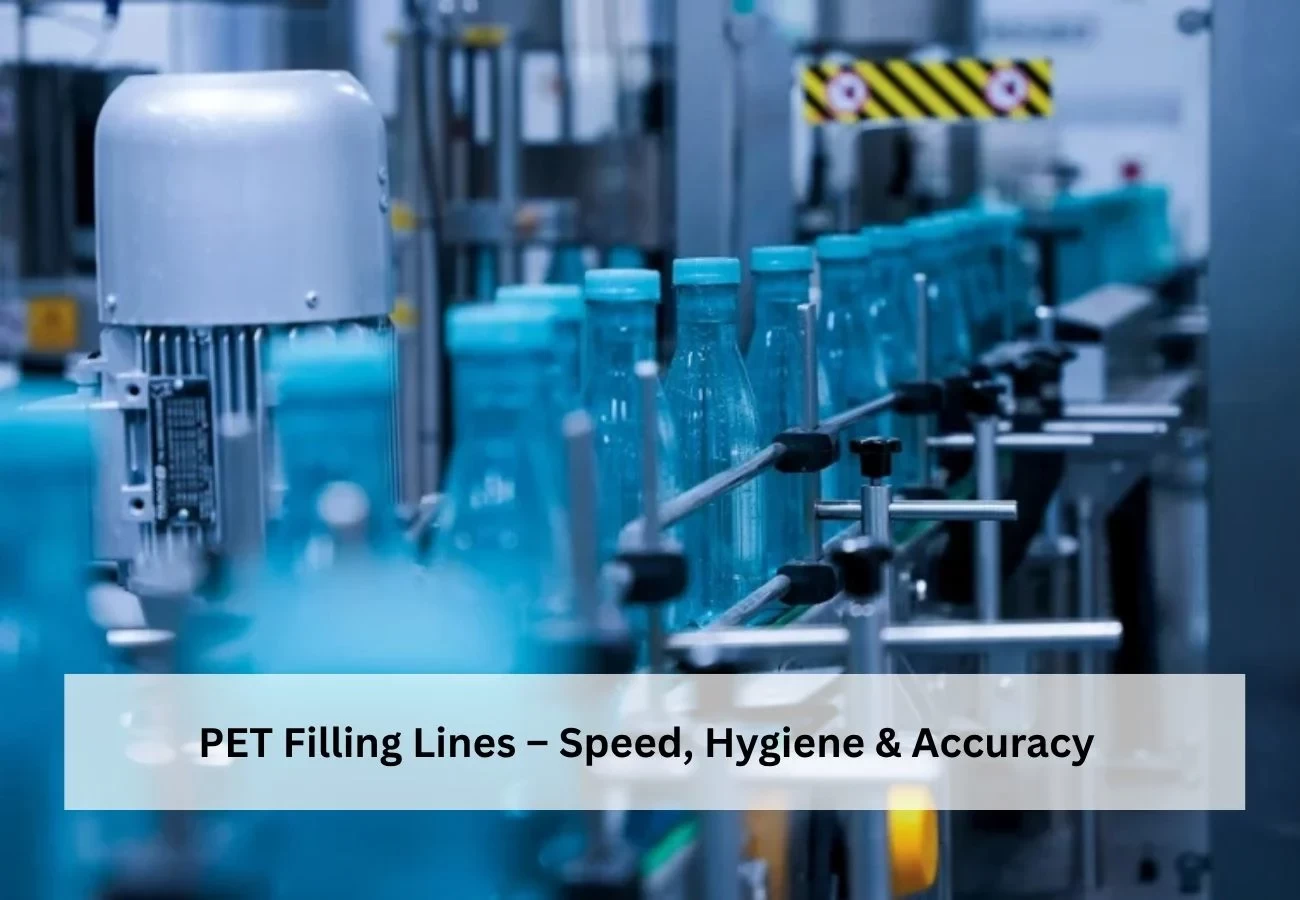

PET Filling Lines – Speed, Hygiene & Accuracy
5 Hygiene Risks in Bottling Plants and How to Avoid Them
Hygiene is directly related to the safety of the products and the reputation of the brand in bottling plants. Even small problems with contamination can lead to product recalls, customer complaints, and a long-term loss of trust. Companies that run PET filling lines and water bottle filling machine operations put hygiene control at the top of their list of things to do because they want to protect their brand's reputation.
But there are still some common hygiene risks in bottling operations. Finding these risks and putting in place preventative measures can help make sure that production is safe, efficient, and follows the rules.
Contamination During Filling
The filling process is one of the most dangerous times for hygiene. Air exposure, bad sealing, or contact with dirty parts can all let microorganisms or particles into the product. This risk goes up when filling systems aren't properly closed off or controlled.
Closed filling systems work very well to stop this from happening. Closed filling systems keep the products away from coming into contact with the outside world as much as possible and also keep the filling cycle clean. Closed systems help keep the quality and consistency of products by limiting human contact and airborne contamination.
Many modern automatic water bottle filling machine setups also integrate hygienic transfer systems as well as stainless-steel components to reduce contamination risks.
Poor Cleaning Practices
If filling lines, tanks, and pipelines aren't cleaned well enough, residue can build up. Over time, this residue becomes a place where bacteria can grow, which can then spread to other batches. When you clean by hand, you often miss places that are hard to see, which makes hygiene more dangerous. CIP systems are widely used in advanced high purity water system and reverse osmosis plant operations where strict hygiene standards are always required.
Using Clean-in-Place (CIP) systems makes sure that cleaning is done automatically and consistently without taking apart equipment. CIP systems clean the insides of machines very well, lower the chance of human error, and keep hygiene standards high throughout the production process. This not only makes things safer, but it also cuts down on the time between batches.
Open Handling of Bottles and Components
When bottles are being moved, stored, or filled, open handling makes it more likely that dust, operators, or the environment will contaminate them. This is especially dangerous on high-speed bottling lines, where the time of exposure may still be long enough for contamination.
Using closed systems for moving and handling bottles helps keep them safe during the whole process. Many manufacturers nowadays use good quality automated conveyor systems as well as hygienic transfer equipment to improve safety in the bottle handling process. Less manual work and controlled transfer lower the risk of contamination and help keep production clean.
Non-Hygienic Equipment Design
Equipment with rough surfaces, dead zones, or hard-to-clean areas can hold onto dirt and bacteria and help them grow. Over time, this makes the product less safe and makes cleaning it more difficult.
The hygienic design of the stainless steel makes sure that the surfaces are smooth and easy to clean. Stainless steel doesn't rust, lasts a long time, and is safe to use with food and drinks. Designing for hygiene also makes it easier to clean the plant and lowers the need for maintenance. Equipment such as Inoxpa sanitary pumps is very commonly used in hygienic processing applications because it supports safe as well as contamination-free product transfer.
Inconsistent Hygiene Control Across the Line
Even if each piece of equipment is clean, differences in cleanliness across the whole bottling line can make weak spots. For example, a hygienic filler and poorly designed transfer systems can still let germs in.
Using closed filling systems, CIP cleaning, and stainless steel equipment throughout the PET filling line makes sure that hygiene is always under control. This all-around approach makes products safer and helps protect the brand's reputation.
Conclusion
Hygiene problems in bottling plants can hurt the quality of the products and the trust of customers. Common problems that need to be fixed before they happen include contamination during filling, bad cleaning habits, open handling, and equipment design that isn't hygienic. Bottling plants can make sure their operations are safe and reliable by using closed filling systems, CIP cleaning, and hygienic designs made of stainless steel.
Keeping the highest hygiene standards is the first step in protecting your brand's reputation. Call Alantech today to find out how our PET filling line solutions can help you keep your product quality and customer trust while also speeding up the process, keeping it clean, and making sure it is accurate.
Frequently Asked Questions (FAQs)
Q1: Why is hygiene very important in PET filling lines?
A1: Hygiene is very important in PET filling lines because contamination can affect product quality, customer safety, as well as brand reputation.
Q2: How do CIP systems improve bottling plant hygiene?
A2: CIP systems improve bottling plant hygiene as they automatically clean tanks, pipelines, and also filling equipment without dismantling the system, and this improves cleaning consistency, reduces contamination risks, and saves production time.
Q3: What role do automated conveyor systems play in hygienic bottle handling?
A3: The role of automated conveyor systems in play in hygienic bottle handling is to reduce manual contact during bottle movement and transfer, and this lowers the chances of contamination and also improves overall production efficiency.