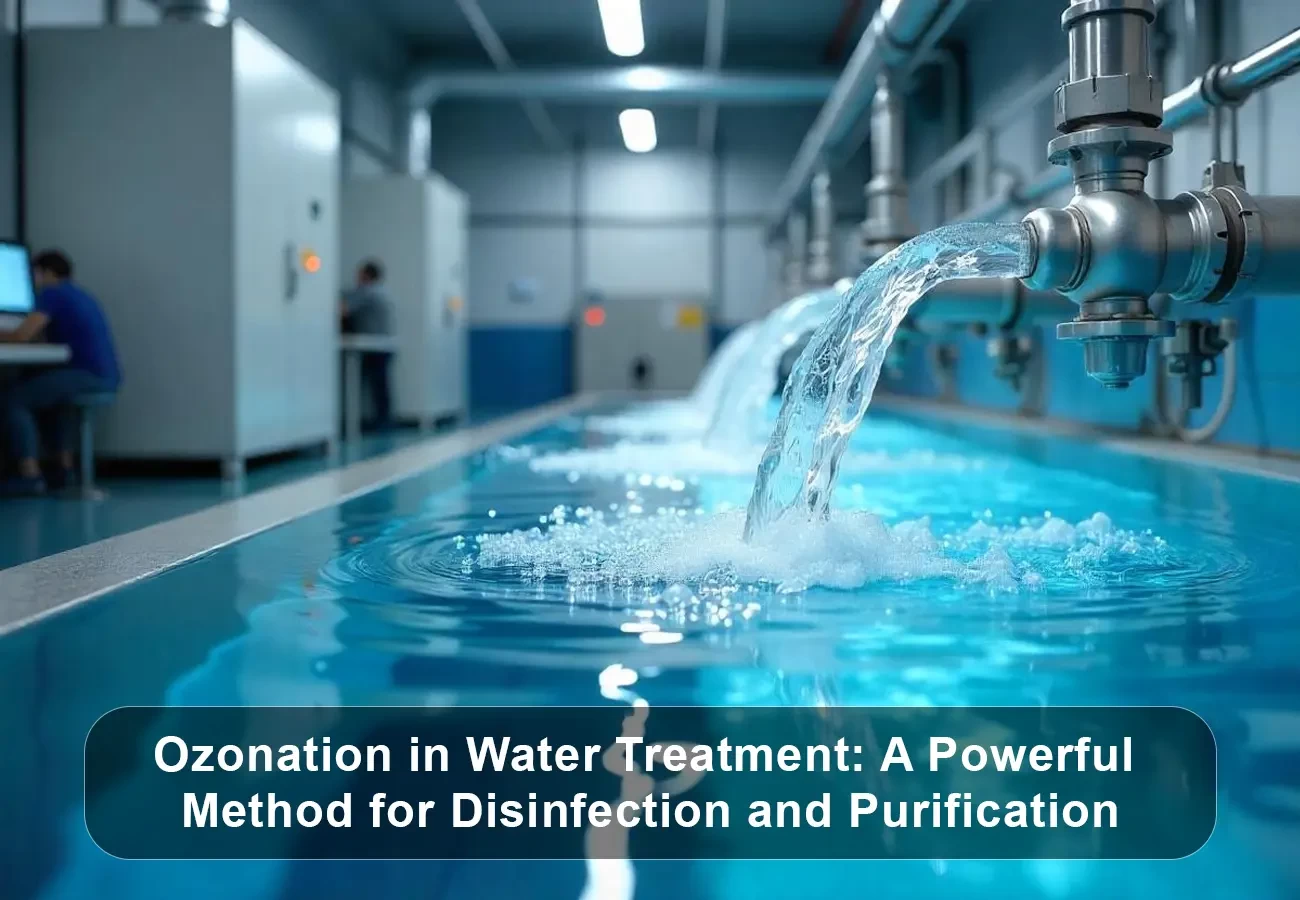

Ozonation in Water Treatment: A Powerful Method for Disinfection and Purification
Access to clean and safe water is not just a public health necessity; it is a critical component of environmental sustainability and industrial progress. Ozonation in water treatment is becoming popular because of its disinfection capabilities and eco-friendly profile. Also, the high demand for advanced water treatment systems across residential, commercial, and industrial sectors has contributed to it.
Whether used in municipal water treatment, bottled water purification, or industrial wastewater treatment, ozonation offers a versatile and powerful approach to purifying water and enhancing overall water quality.
What Is Ozonation in Water Treatment?
Ozonation is an advanced ozone water treatment method that involves introducing ozone gas (O₃) into water to disinfect and oxidize pollutants. Ozone is a triatomic molecule made of three oxygen atoms and is known as one of the most potent oxidizing agents. It is capable of neutralizing a wide range of pathogens, including bacteria, viruses, and protozoa, as well as breaking down organic and inorganic compounds.
Due to its unstable nature, ozone decomposes rapidly back into oxygen and must be generated on-site using an ozone generator, typically through a process called corona discharge. This equipment is often integrated with water treatment plant components to ensure efficient, real-time ozone production and delivery.
How Ozonation Works
The ozonation process can be broken down into four main steps:
- Ozone Generation: Oxygen (O₂) is passed through a high-voltage electric field to produce ozone gas (O₃).
- Injection into Water: Ozone is bubbled or injected into the water using a contact tank, venturi injector, or diffuser system.
- Oxidation and Disinfection: Ozone reacts with:
- Microorganisms (e.g., Giardia, Cryptosporidium)
- Organic compounds (such as pesticides and industrial solvents)
- Inorganic contaminants (like iron, manganese, and sulphur)
- Odor- and taste-causing substances
- Decomposition: Ozone transforms back into oxygen, leaving no harmful residue.
This makes ozone a perfect option for chemical-free water treatment and adds to the rising demand for eco-friendly disinfection solutions.
Key Benefits of Ozonation in Water Treatment
- Highly Effective Disinfection
Ozone is far more potent than chlorine and is effective against a broader range of microorganisms. It is a trustworthy frontline defense for public health becuase of its efficacy in municipal water treatment systems.
- No Harmful Residue
Unlike chlorine, which can produce harmful disinfection by-products, ozonation leaves only oxygen behind. This makes it ideal for high-purity water systems, raw water treatment, and bottled water purification processes.
- Improved Odor and Taste
Ozone effectively removes odors and improves taste by breaking down volatile organic compounds and sulfides. Because of this, it is a preferred method in mineral water bottling machine setups and automatic water bottle filling machine lines.
- Oxidation of Organic and Inorganic Compounds
Ozone can oxidize complex molecules such as:
Organic compounds: pesticides, detergents, and hydrocarbons
- Inorganic compounds: iron, manganese, and sulphur
This facilitates easier filtration and makes it a valuable component in membrane bioreactor and moving bed bioreactor systems, often used in MBR sewage treatment plants and effluent treatment.
- Sustainable and Eco-Friendly
As a green water treatment technology, ozonation does not contribute to secondary pollution. It is often included in zero liquid discharge water treatment (ZLD) systems, making it a sustainable solution for industrial wastewater treatment.
Applications of Ozonation
Ozonation has a wide range of applications across both public and private sectors, including:
- Municipal Drinking Water: Used as a primary disinfectant or in pre-treatment before membrane filtration.
- Bottled Water Plants: Common in bottle filling machines, ensuring microbial safety and improved taste.
- Industrial Effluent Treatment Plants: Break down chemical contaminants before discharge or reuse.
- Aquaculture and Aquariums: Maintains healthy aquatic environments.
- Swimming Pools and Spas: Acts as a chlorine-free disinfectant alternative.
It can also be combined with hybrid water treatment systems, such as ozone with UV or ozone-assisted membrane filtration, for improved effectiveness.
Challenges and Limitations
While ozonation is highly effective, it does have some limitations:
- No Residual Disinfectant
Unlike chlorine, ozone does not remain in the water post-treatment, which means a secondary disinfectant might be needed in distribution systems.
- Higher Operational Costs
Energy-efficient ozone generation technologies are advancing, but initial setup and maintenance costs for ozone generators remain high compared to basic methods like chlorination.
- Bromate Formation Risk
Ozone can create the potentially cancer-causing compound bromate if bromide ions are present. Because of this risk, real-time monitoring and careful system design are required.
- Complex Equipment and Training Needs
Ozone systems often involve complex water treatment systems and require trained personnel. This can pose challenges for small sewage treatment plant installations or operations in resource-limited settings.
Integration with Modern Water Treatment Technologies
As part of evolving water treatment infrastructures, ozonation is increasingly combined with other modern technologies like:
- Membrane filtration
- Ultrafiltration plants
- Reverse osmosis plant setups
- High recovery RO systems
- Hybrid ozone + UV or MBR configurations
This integrated approach not only improves performance but also supports sustainability in large-scale industrial wastewater treatment and wastewater treatment plant operations.
Ozonation and Industrial Water Solutions
Ozonation is making strong inroads into industrial systems due to its compatibility with:
- Effluent treatment plants (ETP)
- RO water treatment plants
- Water treatment plant manufacturers seeking to diversify treatment options
- Automatic bottle filling machines and water filling machine lines used in the FMCG and beverage industries
- Wastewater treatment plant components engineered for multi-stage disinfection
- Water treatment plant consultants developing custom ZLD or MLD solutions
Ozonation is considered a preferred choice across many industries because of its ability to meet strict regulatory requirements while minimizing environmental impact.
Conclusion: A Cleaner Future with Ozone
Ozonation in water treatment stands out as one of the most advanced water treatment technologies available today. From destroying chlorine-resistant pathogens to eliminating taste and odor issues without leaving chemical residues, ozonation delivers unmatched performance and ecological benefits.
Though the equipment and operational costs may be higher, technologies like energy-efficient ozone generation and AI-assisted hybrid water treatment systems are making ozonation more accessible and scalable.
For municipalities, industries, and bottling plants looking to invest in long-term, chemical-free water purification systems, ozonation presents a clean, effective, and future-ready path forward.
Ready to explore ozonation for your plant or facility?
Talk to leading water treatment plant consultants or suppliers of ozone generators and membrane-based water treatment systems to find a solution made for your needs.