Why Do Food Processing Plants Struggle With Wastewater, and What Works?
Why Do Food Processing Plants Struggle With Wastewater, and What Works?
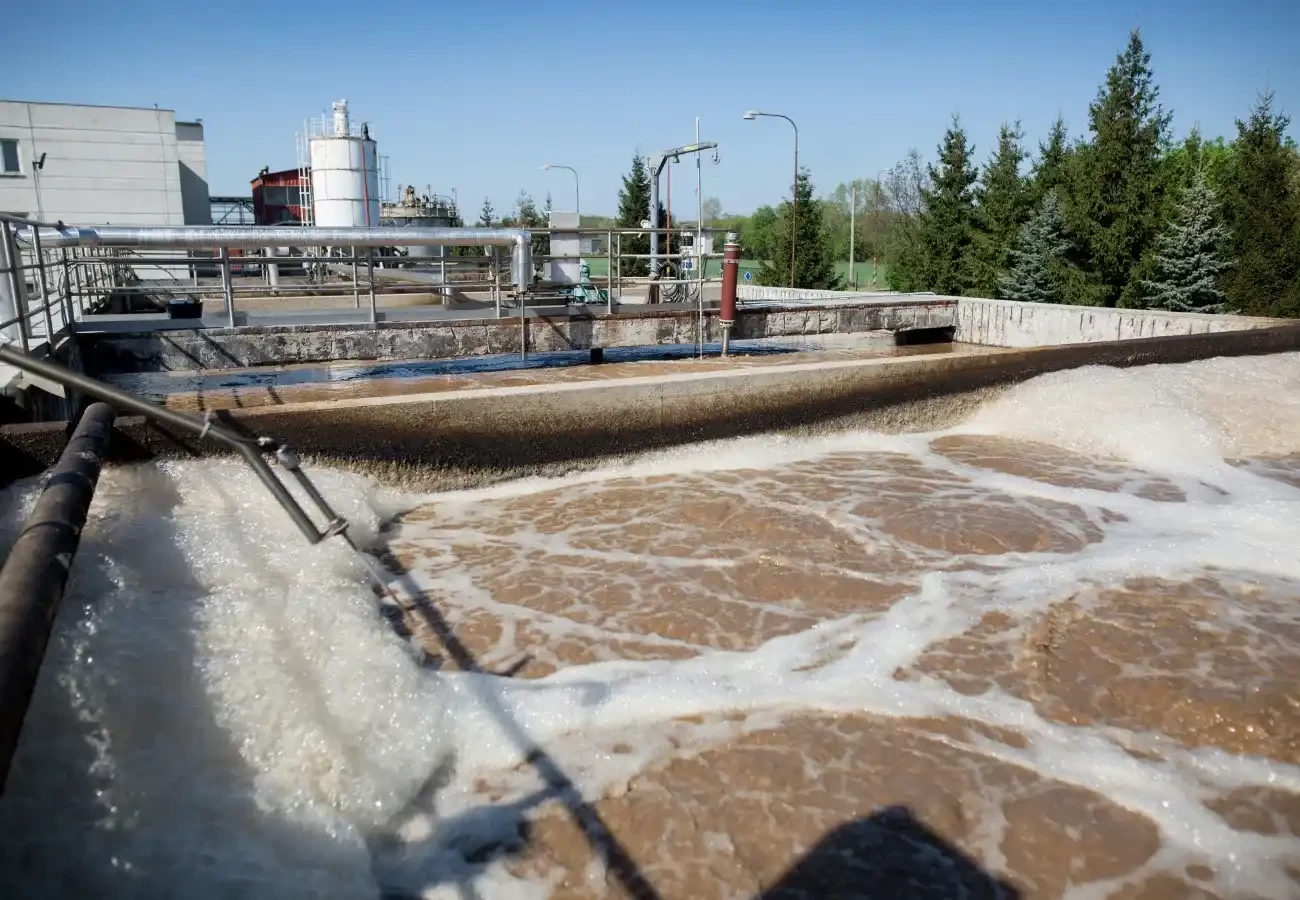
Food processing plants handle wastewater that carries a heavy load of sugars, fats, starches and solids, and the flow changes with every shift and cleaning cycle. What works is a staged setup: screening, a balancing tank, fat removal, biological treatment and final polishing, supported by water saving at source. A well-sized food industry wastewater treatment system keeps discharge within permitted limits.
Key Takeaways
- Food plant effluent has high BOD and COD, so it needs biological treatment after physical separation.
- Fats, oils and grease (FOG) are removed early with a dissolved air flotation unit to protect later stages.
- An equalisation tank smooths out flow and pH changes from cleaning cycles.
- Brewery wastewater treatment follows the same sequence, with extra attention to yeast, spent grain and sugar-rich rinses.
- Cutting water use and product loss at source reduces the size and running cost of any effluent treatment plant.
A dairy, a bakery, a fruit pulping unit and a brewery all produce different effluent, yet each faces the same question: how to return clean water to the environment while production runs on schedule. At Alantech, we design and build treatment systems for these plants. This blog explains why food industry wastewater treatment takes careful planning, which steps deliver reliable results, and how plant managers can match a system to their own process.
What Makes Food Processing Wastewater Different
Household sewage is fairly predictable. Food plant effluent varies by product, season and even the hour of the day. Three characteristics explain most of the challenge.
High Organic Load
Sugars, milk solids, starch and protein dissolve readily in wash water. They raise the biochemical oxygen demand (BOD) and chemical oxygen demand (COD) of the effluent to levels many times above those of domestic sewage. Microbes consume this organic matter quickly, which means a treatment unit needs enough oxygen and enough tank volume to keep pace.
Fats, Oils and Grease
Meat, dairy, edible oil and snack units release fats, oils and grease. FOG cools inside pipes, coats tank walls and floats on the surface of biological reactors, slowing oxygen transfer. Early removal protects every stage that follows.
Swings in Flow and pH
Cleaning-in-place cycles bring acids and alkalis in short bursts. A sudden pH shift can affect the activity of treatment microbes. Seasonal crops add another layer: a mango or tomato processing season can multiply the daily volume within a few weeks.
Where the Water Comes From Inside a Plant
Mapping the sources helps a team decide which streams to treat together and which to handle separately.
- Washing and sorting of raw produce, which adds soil, peel and pulp
- Cooking, blanching and cooling, which release dissolved sugars and starch
- Equipment cleaning, which brings detergents, sanitisers and leftover product
- Floor washing, which carries oils and small solids to the drain
- Utilities, such as boiler blowdown and cooling tower bleed, which add salts
Keeping strong streams, such as whey, spent wash or syrup rinses, away from the general drain makes the main treatment line smaller and easier to run.
A Closer Look at Brewery Wastewater
Breweries show clearly how process water turns into effluent. Industry guidance from the International Finance Corporation reports that breweries generally use 4 to 8 cubic metres of water for every cubic metre of beer, and that untreated effluent carries BOD in the range of 1,000 to 1,500 mg/L. Domestic sewage sits near 250 mg/L, so the gap is wide.
Effective brewery wastewater treatment usually starts with these points:
- Spent grain and trub are collected as solids and sent for reuse, for example as animal feed
- Yeast and beer from fermenter rinses are directed to a separate tank where possible
- Caustic and acid cleaning water is balanced before it reaches the biological stage
- Anaerobic treatment recovers biogas from the sugar-rich liquid, and an aerobic stage finishes the job
Similar treatment principles apply to soft drink units and distilleries, which also generate sugar-rich and variable wastewater.
A Step-by-Step Treatment Sequence
A reliable effluent treatment plant for a food unit follows a clear order. Each step prepares the water for the next one.
Screening and Equalisation
Bar screens and fine screens remove peel, packaging fragments, bones and fibres. The water then enters an equalisation tank, where mixing and aeration keep flow, temperature and pH steady. Many treatment issues that appear later in the process are resolved at this tank, so it deserves generous sizing.
Fat Removal With Dissolved Air Flotation
A dissolved air flotation (DAF) unit releases fine air bubbles that lift oil, fat and light solids to the surface, where a skimmer collects them. Dosing with a coagulant improves the result. Plants that handle dairy, poultry, fish or edible oils benefit most from this step.
Biological Treatment
This stage removes dissolved organic matter. Three options are common:
Anaerobic Digestion
Suited to strong effluent. Microbes work in an oxygen-free tank, cut the organic load sharply and produce biogas that can fuel a boiler. Read more on aerobic and anaerobic treatment of wastewater.
Activated Sludge and MBBR
Aerobic systems that polish the effluent after the anaerobic stage, or serve as the main stage for medium-strength streams. A moving bed biofilm reactor (MBBR) fits compact sites.
Membrane Bioreactor (MBR)
A membrane bioreactor combines biological treatment with membrane filtration. It produces clear water that is ready for reuse in cleaning, cooling or gardening.
Polishing and Reuse
Sand filters, activated carbon, ultrafiltration or reverse osmosis bring treated water to the quality needed for reuse. Plants in water-short regions often add zero liquid discharge (ZLD) with evaporators to recover almost all the water.
Common Treatment Options
| Option | Best Suited For | Main Benefit | Space Needed |
|---|---|---|---|
| DAF unit | Dairy, meat, oil and snack plants | Removes fats and light solids early | Small |
| Anaerobic digester | Breweries, distilleries, starch and sugar units | Cuts organic load and yields biogas | Medium |
| Activated sludge | Medium-strength effluent | Stable, well-known process | Large |
| MBBR | Sites with limited land | Compact and easy to expand | Small |
| MBR | Plants planning water reuse | High-quality treated water | Small |
Reducing the Load
A smaller load means a smaller plant and lower running costs. Practical measures include:
- Dry cleaning floors and equipment before washing
- Fitting trigger nozzles and flow meters on hoses
- Capturing spilt product in trays and drain screens
- Reusing final rinse water for the first rinse of the next batch
- Training cleaning staff on correct detergent dosing
Small changes in daily habits lower the organic load and reduce the volume sent to treatment.
Choosing the Right System for Your Plant
The best choice depends on the product, the volume and the discharge route.
Start With Measured Data
Sample the effluent across a full production cycle, including cleaning periods. Record flow, BOD, COD, suspended solids, FOG and pH. These numbers guide tank sizes and equipment selection.
Match Treatment to Discharge Rules
Discharge to a sewage treatment plant, to surface water or to land each carries its own limits set by the State Pollution Control Board. Knowing the target early prevents redesign later.
Plan for Growth and Seasons
A modular layout lets a plant add capacity when a new line starts or a harvest season peaks.
Include Operation and Support
A plant works best with trained operators, regular sludge removal and routine testing. A service agreement with the supplier keeps performance steady over the years.
Conclusion
Food processing plants face a mix of strong organic load, fats and changing flow, and a staged treatment line addresses each of these in turn. Screening, equalisation, DAF, biological treatment and polishing form a dependable treatment sequence, while water conservation at source helps reduce the overall treatment load. Whether the plant is a dairy, a bakery or a brewery, careful sampling and a right-sized design lead to steady compliance and a chance to reuse water on site.
We at Alantech plan, build and support effluent and wastewater treatment systems for food and beverage plants. Share your daily volume and process details with us, and we will recommend a layout that suits your site. Contact Alantech to share your requirements.
Frequently Asked Questions (FAQs)
Q1: What is the best method for food industry wastewater treatment?
A combination works best. Screening and equalisation come first, followed by DAF for fats, then biological treatment such as anaerobic digestion or MBBR, and finally filtration for reuse. The exact mix depends on the product and the volume.
Q2: How does brewery wastewater treatment differ from dairy wastewater treatment?
Brewery effluent is rich in sugars, yeast and spent grain, so anaerobic treatment and solids recovery take a leading role. Dairy effluent carries more fat and milk protein, so a DAF unit and pH balancing take that role.
Q3: Can treated water from a food plant be reused?
Yes. With filtration, ultrafiltration or an MBR, treated water can serve in cooling towers, floor washing, gardening and, with further treatment, some process uses.