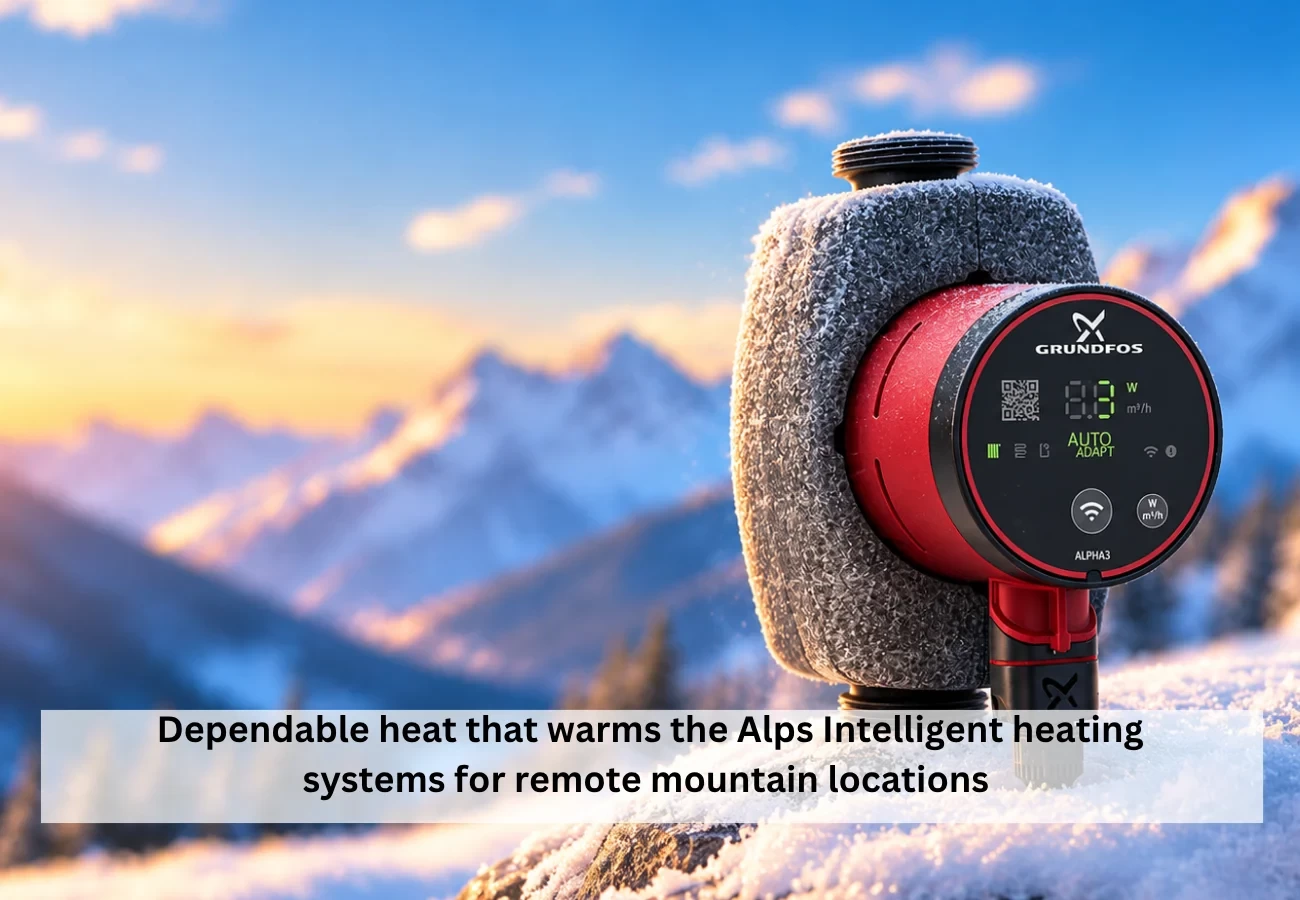

Dependable heat that warms the Alps Intelligent heating systems for remote mountain locations
In the Austrian Alps, where snow-capped peaks and frigid temperatures are a way of life, heat is not a luxury; it’s a necessity. In such remote areas, any heating system is based on reliability and energy efficiency.
According to consulting engineer Johannes Widmoser of Energietechnik GmbH, the design of heating, ventilation and air conditioning (HVAC) systems means developing solutions that are perfect even in the most extreme alpine conditions.
Designing for Challenging Environments
Johannes is responsible for customers in the Austrian province of Tyrol, where many buildings are situated in hard-to-reach mountain areas. For resorts, lodges and hospitality businesses, heating has to be reliable all winter long and equipment reliability becomes a critical priority.
Johannes says: “When we select system components, we look at two things: reliability and energy efficiency”. The system should be in accordance with minimum energy consumption.
These priorities formed the basis for the design of the heating system for the Panorama Tenne, a popular après ski restaurant on the mountain in the Waidring – Steinplatte ski area.
Heat That Never Fails
In the high Alps, hundreds of guests at Panorama Tenne are trying to warm and comfort themselves after a day on the slopes. But keeping a reliable heating system in such a remote location isn’t without its challenges.
Winter weather makes transportation and maintenance difficult. An unexpected breakdown can disrupt operations and impact the guest experience.
"The heating needs to work flawlessly at all times," says Johannes. "Accessing the site for repairs during winter is not easy, so reliability is essential."
In order to satisfy these demanding criteria the heating system of the building is fitted with state-of-the-art Grundfos circulating pumps such as the ALPHA1, ALPHA3, MAGNA3 and UPS series. These pumps are efficient at circulating hot water for underfloor heating, radiators and domestic hot water, providing consistent comfort throughout the building.
Energy Efficiency Without Sacrificing Comfort
The heating system has been designed for reliable operation and low power consumption.
The system provides the required heating performance and the use of high efficiency circulation pumps leads to lower energy use and operating costs. Intelligent pump technology automatically adapts to changing heating needs and ensures that energy is only used when required.
This yields operational efficiency and environmental sustainability.
A Better Experience for Guests
For Panorama Tenne, creating a welcoming atmosphere is essential to its success.
"Our guests should always feel comfortable," says resort owner Andreas Grünbacher. "The indoor temperature must remain pleasant whether it's minus 10 degrees or plus 10 degrees outside. At the same time, the pumps need to save energy without compromising reliability."
Reliable heating ensures uninterrupted business operations, satisfied guests, and reduced maintenance concerns throughout the ski season.
Engineering for a Sustainable Future
Beyond performance, Johannes believes that every engineering decision contributes to a more sustainable future.
"We should not generate energy we don't need," he says. "As individuals, companies, and society, we all have a responsibility to save energy without sacrificing comfort."
This philosophy reflects a growing focus on sustainable building design—combining reliable technology with energy-efficient solutions to reduce environmental impact while delivering exceptional performance.
Conclusion
Remote alpine environments demand heating systems that can perform under extreme conditions without interruption. By combining dependable engineering with high- efficiency pumping technology, facilities like Panorama Tenne can provide year-round comfort, reduce energy consumption, and ensure reliable operation even in the most challenging climates.
For engineers, building owners, and hospitality businesses alike, the right heating solution is not just about warmth—it's about reliability, efficiency, and long-term sustainability.