
Intelligent Pumps and Treated Wastewater Save Water and Energy at Brewery Huyghe
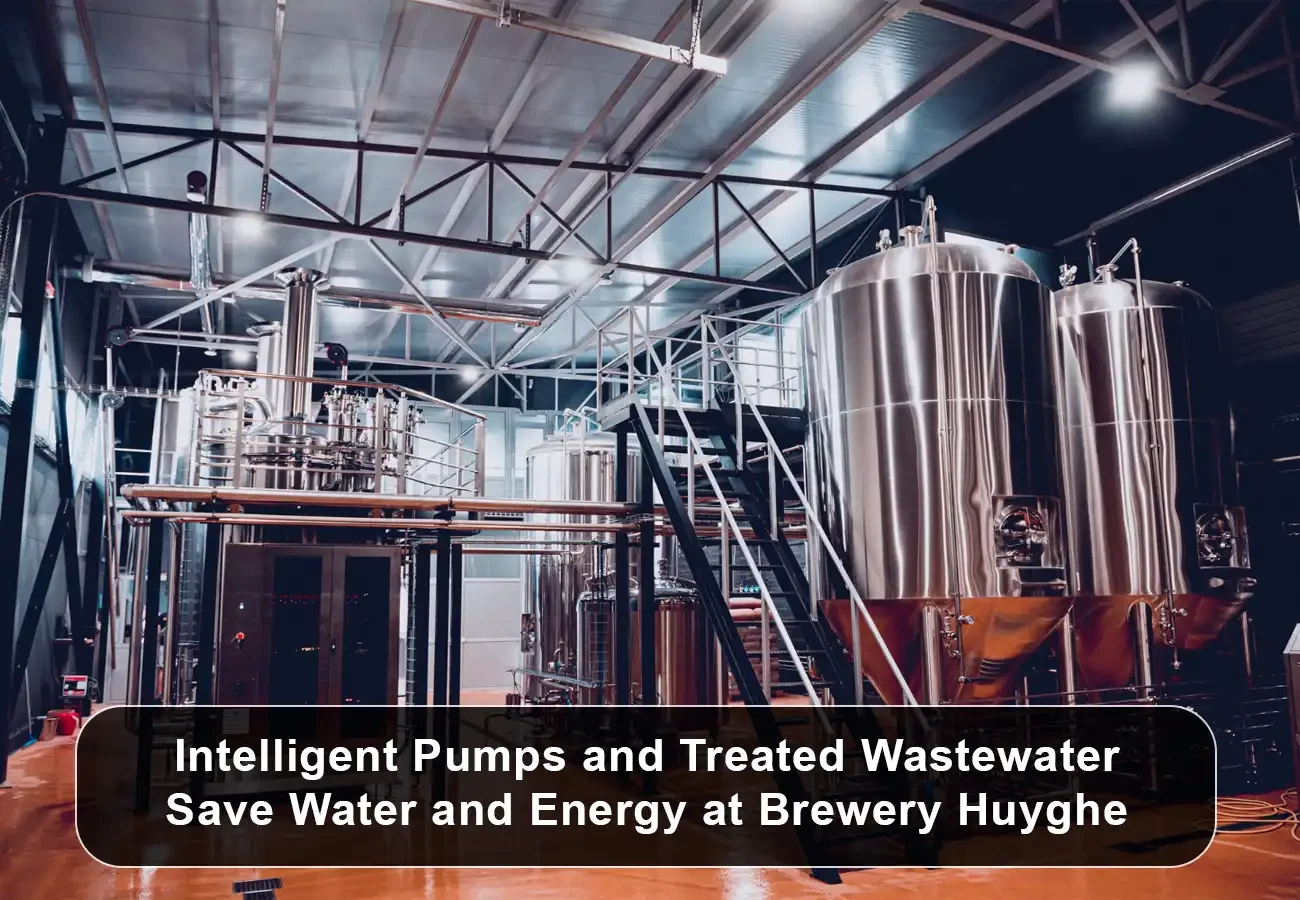
Brewery Huyghe in Melle, Belgium, has long carried the ambition of becoming the most sustainable brewery in the country. Central to this goal is the efficient use of water and energy, two resources that play a critical role in brewing. Water is the main ingredient in beer and is also used for cleaning, processing, and running daily brewery operations. To make these processes more sustainable, Brewery Huyghe teamed up with Grundfos and introduced advanced pumping systems. These pumps help control flow and pressure while reducing energy use, making the brewery’s water treatment solution more efficient and eco-friendly.
With intelligent pumps, innovative reuse strategies, and a focus on wastewater recycling, the brewery has set new benchmarks for sustainable brewing. At the heart of this transformation is the integration of smart pump systems with a reverse osmosis plant and other technologies that together form a highly effective water treatment solution.
Brewery Huyghe at a Glance
In 2022, Brewery Huyghe produced 295,000 hectoliters of beer and achieved a turnover of €54 million, making it the sixth-largest brewery in Belgium. Its globally recognized Delirium brand accounts for nearly 63% of the turnover, while a total of 27 varieties of beer are brewed at the facility.
Yet, beyond its commercial success, the brewery is driven by its dedication to sustainability.
This focus reflects a wider recognition that breweries must adapt to more sustainable water and energy practices. By implementing an integrated waste water treatment plant and innovative pumping technologies, Brewery Huyghe demonstrates how tradition and innovation can come together to safeguard natural resources for future generations.
The Grundfos Pumping Solution
To realize its goals, Brewery Huyghe turned to Grundfos, entrusting the company with the design and supply of pumps for its water circuits, including groundwater extraction and internal distribution. Grundfos installed CRE vertical multistage centrifugal E-pumps, equipped with IE5-rated MGE motors and integrated variable frequency drives.
These pumps provide precision in flow and pressure regulation, enhancing both energy efficiency and operational flexibility. A built-in feature allows the system to shut off automatically during idle periods, reducing unnecessary energy consumption.
Patrick Vansteenkiste from Brewery Huyghe’s technical service team pointed out another major advantage of the new pumps. Since the pumps come with built-in frequency controllers, there is no need for large external control cabinets. This reduces both installation expenses and day-to-day operating costs. The energy efficiency is also impressive, when the pump speed is reduced by half, the energy consumption can drop by nearly eight times, showing how powerful this water treatment solution is in cutting down waste and improving sustainability.
Such intelligent features prove that efficiency doesn’t only depend on the scale of infrastructure but also on the quality of technology integrated into each step of the brewing process.
Wastewater Recycling with Reverse Osmosis
The most significant sustainability achievement at Brewery Huyghe comes from its ability to recycle treated wastewater. Rather than discarding effluent, the brewery routes it through a reverse osmosis plant, which purifies the water to potable standards. Once treated, this water is stored in buffer tanks and reused for non-brewing purposes such as cleaning tanks, machinery, and production areas.
This approach represents a model example of industrial wastewater treatment. By treating and reusing water internally, the brewery reduces its dependency on groundwater, lowers discharge volumes, and minimizes its overall environmental footprint.
Grundfos DDA SMART Digital Dosing pumps are key components in this system, ensuring accurate chemical dosing during the treatment process. Since 2019, two treatment units with a combined capacity of 16 m³ per hour have been in operation. These installations illustrate how the synergy of pumps and a waste water treatment plant can form a comprehensive, circular water treatment solution for breweries and other industries.
Energy Efficiency Gains
Energy consumption is another area where Brewery Huyghe has realized dramatic improvements. In 2008, the brewery required 27.5 kWh of electricity to produce one hectoliter of beer. Today, thanks to the combination of variable frequency drives, intelligent pumps, and an efficient reverse osmosis plant, this figure has fallen to just 11 kWh.
These savings go beyond lowering operating costs, they highlight the environmental impact of using modern industrial wastewater treatment practices. By reducing energy use, the brewery reduces its carbon emissions and shows how sustainable brewing can align with global climate goals.
Long-Term Digital Strategy
While Brewery Huyghe has already implemented substantial improvements, the brewery continues to plan for future growth. A long-term vision involves establishing a fully integrated automation system, connecting all pumps and treatment units under a digital platform. By leveraging big data analytics, the brewery aims to streamline operations, perform predictive maintenance, and maximize system reliability.
This digital-first approach ensures that every water treatment solution deployed today remains scalable, adaptable, and ready for the demands of tomorrow.
Sustainability Commitments
Brewery Huyghe’s dedication to sustainability extends beyond its physical infrastructure. The brewery is a signatory of the Green Deal Brewers agreement, which seeks to reduce water consumption and groundwater extraction across the Flemish brewing industry.
Additionally, it has signed the VOKA Sustainability Charter (VCDO), which aligns corporate sustainability actions with the 17 UN Sustainable Development Goals (SDGs). Brewery Huyghe has already achieved Pioneer and Champion certifications and now aspires to the highest level, Ambassador certification, awarded by the UN Institute for Training and Research (UNITAR).
Among the SDGs, the brewery has made particularly strong contributions to SDG 6: Ensure availability and sustainable management of water and sanitation for all. Its adoption of a waste water treatment plant, the recycling of effluent via a reverse osmosis plant, and the integration of advanced pumps together illustrate how a brewing company can actively support this global goal.
Tradition Meets Innovation
Brewery Huyghe shows how a traditional brewery can successfully adopt modern innovations to stay sustainable. By using smart pump systems along with a strong industrial wastewater treatment setup, the brewery has managed to cut down its water use, lower energy consumption, and reduce its overall impact on the environment.
Its collaboration with Grundfos highlights the power of strategic partnerships in creating future-ready, eco-friendly industries. From using digital dosing pumps to installing a high-performance reverse osmosis plant, every step at Brewery Huyghe shows a clear effort to improve efficiency, save water, and strengthen sustainability.
Ultimately, Brewery Huyghe is more than just a successful beer producer. Brewery Huyghe is a real-life example of how smart water treatment solutions can change industrial operations. It shows that with clear goals, the right technologies, and reliable partnerships, sustainability is not just possible, it can also be cost-effective.