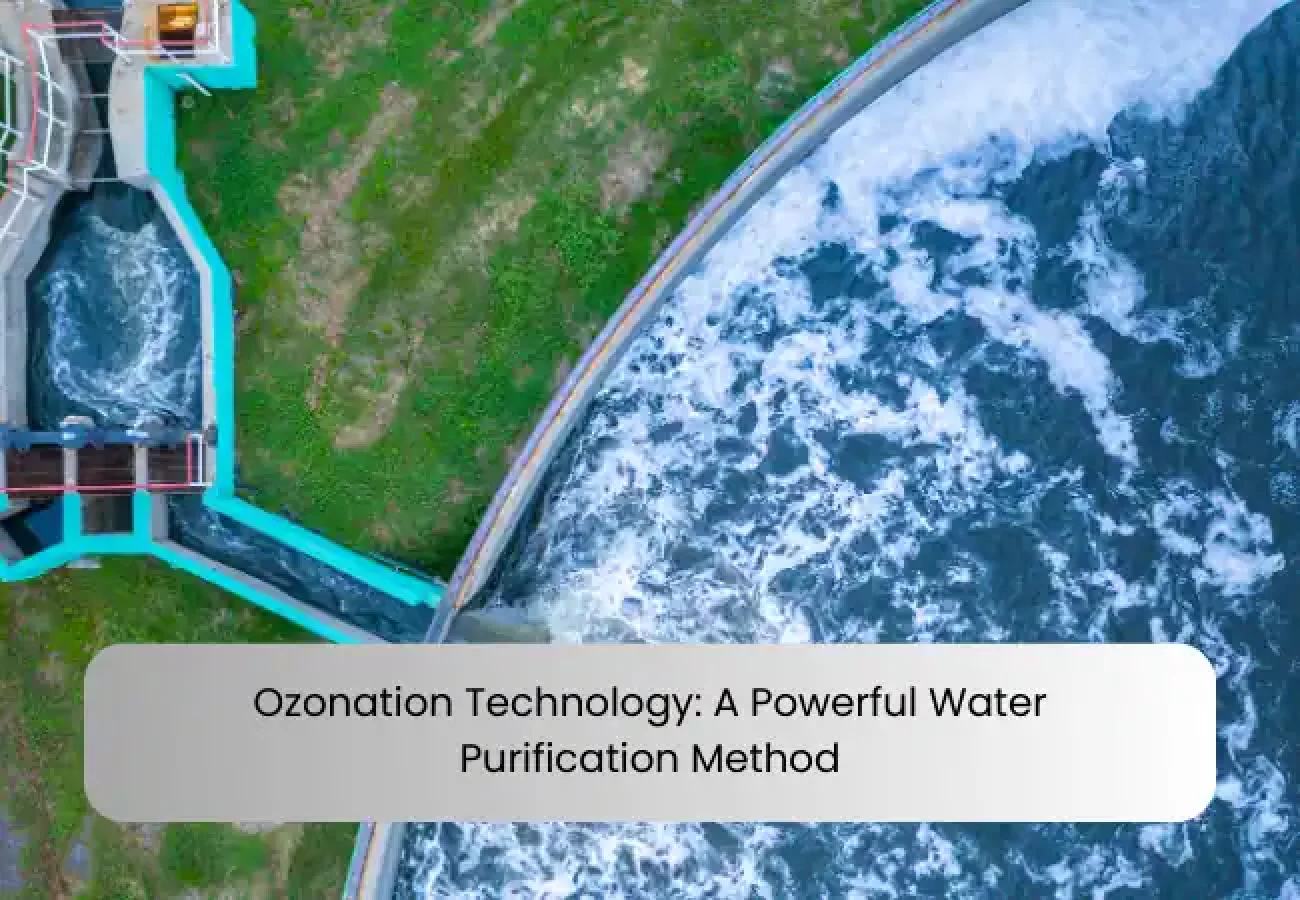

Ozonation Technology: A Powerful Water Purification Method
Ozonation is a modern method used to purify water using ozone, a reactive form of oxygen, to break down impurities and give effective disinfection. Ozone is considered one of the strongest oxidizing agents used in today’s water treatment processes. It is produced at the site itself because it remains unstable for long and cannot be stored for later use.
How Ozonation Works
Ozone gas is generated using either corona discharge or ultraviolet-based ozone generators in an ozonation system. The gas is then introduced into water through diffusers, injectors, or purpose-built contact chambers. When ozone enters the water, it starts reacting at once, using strong oxidation to break down the contaminants present. It helps eliminate bacteria, viruses, organic impurities, and the compounds that cause colour and odour. After the process is complete, the ozone turns back into oxygen, leaving the water clean without creating any harmful residues.
An important factor in ensuring the efficiency of ozonation is the integration of water treatment components and water treatment plant components. These elements help maintain the stability of the system while ensuring that water being treated meets stringent hygiene standards. Ozonation systems often work in tandem with high purity water systems to deliver a consistent and safe water supply for both industrial and municipal applications.
Why Ozonation Is Used
Ozonation is highly valued in contemporary water treatment for its ability to disinfect water more quickly than traditional chlorine-based approaches. It removes unpleasant odors, improves taste, clarifies color, and reduces turbidity without the addition of chemicals. Moreover, ozone can break down pesticides, organic impurities, and even stubborn pathogens. Its environmental benefits are notable, as ozonation does not produce chemical by-products, making it ideal for applications in drinking water purification, beverage processing, food production, and industrial wastewater treatment.
In industrial settings, the use of ozonation often forms part of broader industrial waste water treatment strategies. When combined with well-designed water treatment components and a high purity water system, ozone treatment not only purifies water effectively but also supports the overall performance and reliability of the treatment plant.
Ideal Ozone Concentration Levels
For most applications, ozone concentrations typically range from 0.2 ppm to 2 ppm, depending on water quality and the degree of contamination. Industrial processes with higher loads or heavier contamination may require higher concentrations. Maintaining proper contact time and monitoring water quality parameters such as pH, temperature, and turbidity is essential for achieving optimal disinfection and purification outcomes.
Important Considerations While Using Ozone
Ozone is powerful yet unstable, so it must be used immediately after generation. Ozonation systems need materials that can manage ozone exposure, such as SS316 and PTFE, for long-term performance. Safety is a big concern because high ozone levels in the air can be harmful. This makes good ventilation, and the use of ozone destruct units is essential for safe operation. Continuous monitoring of dissolved ozone levels ensures efficiency and safety while maintaining high standards of water quality.
The proper integration of water treatment plant components is vital in achieving reliable ozonation performance. Each component must function in harmony with the high purity water system to ensure maximum disinfection while maintaining operational safety.
How to Control Ozone Effectively
Effective ozone control relies on regularly tracking dissolved ozone levels with advanced ozone analyzers. Automated controllers then regulate ozone production in real time according to the system’s needs, while off gas destruct units clear out any leftover ozone to keep the surroundings safe. Proper flow control, interlocks, and automated contact tank systems ensure uniform dosing, while ORP (Oxidation Reduction Potential) sensors help maintain consistent disinfection levels.The performance of an ozonation system is directly linked to the quality and configuration of its water treatment components.
Key Checkpoints for an Efficient Ozonation System
An efficient ozonation system depends on evaluating a few key elements. The ozone generator must be sized correctly to suit the water volume and the level of impurities present. The feed gas has to be pure enough to support strong oxidation. Injectors or diffusers should give good mass transfer, and the contact tanks need to be designed with enough capacity to ensure the required retention time. Off gas destruct units and constant monitoring of ozone concentration play an important role in keeping the system stable. Routine preventive maintenance of the ozone generator parts and electrodes helps the system run efficiently and remain reliable over time.
Bringing industrial waste water treatment methods together with ozonation helps facilities achieve both regulatory standards and broader environmental objectives. High performance water treatment components make sure the wastewater is processed efficiently, which lowers the overall environmental impact while keeping the operation compliant.
Alantech’s Contribution
Alantech gives custom ozonation systems designed to achieve strong oxidation efficiency while keeping safety at the forefront. The systems come with intelligent control features, continuous ozone tracking, safety interlocks, and dosing setups that are calibrated for accuracy. Every installation is customized to match the needs of each industry, ensuring powerful water purification with lower energy use.
By integrating high-quality water treatment components and water treatment plant components, Alantech ensures that its ozonation systems deliver consistent and reliable performance. Facilities that adopt these systems gain the advantages of a high purity water system that supports hygiene, controls microbial growth, and strengthens overall efficiency. Industrial waste water treatment also becomes easier to manage and more environmentally conscious with Alantech’s solutions.
Conclusion
Ozonation is a highly effective, environmentally friendly method of water purification. When paired with high quality water treatment components and high purity water systems, this method delivers steady disinfection along with effective removal of colour, odour, and various contaminants without creating harmful by-products. Industrial wastewater treatment also gains from this setup because it fits smoothly into existing plant operations.
Alantech’s custom ozonation systems give safe and energy-efficient solutions for many industries. Choosing Alantech helps facilities maintain water purification, and ozonation becomes not only a powerful method for water treatment but also a sustainable approach to industrial and municipal water management.